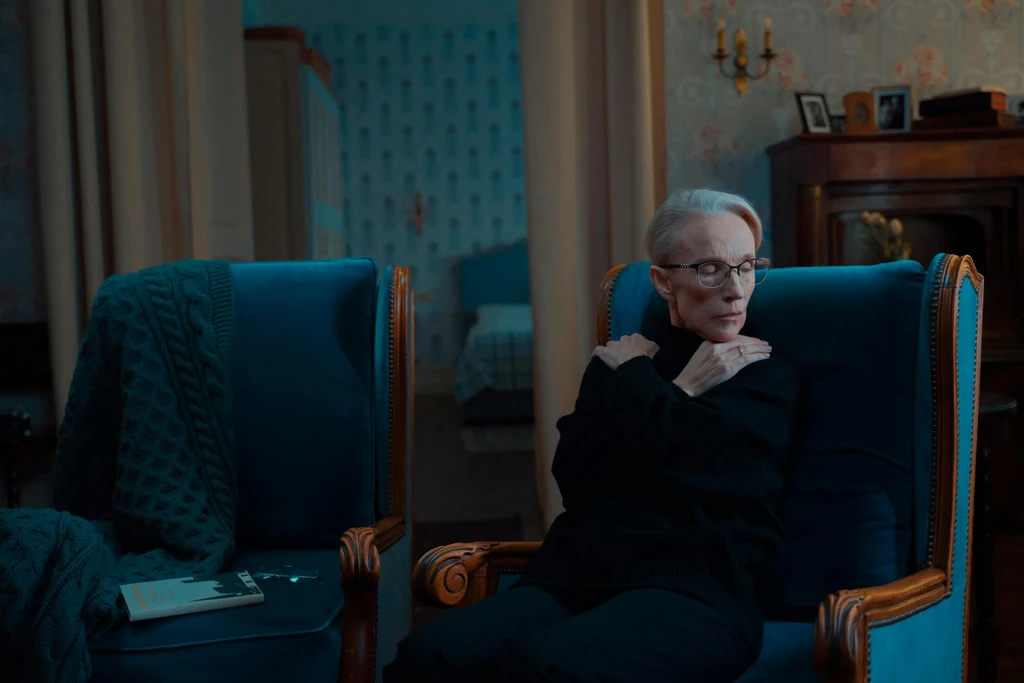
The empty apartment is not where loneliness does its real damage. It happens at the dinner table on a Sunday afternoon, surrounded by the people who watched you grow up, who have not asked you a real question in eleven years. That is the loneliness that splits people open: the specific silence of being unrecognized inside a familiar room.
Most people assume loneliness is a problem of absence. But anyone who has sat at a long family table feeling completely invisible knows that connection is a recognition game, not a numbers game. The cruelest version of loneliness happens when the numbers are perfect and the recognition has quietly disappeared.
Research draws a careful distinction between objective isolation and perceived loneliness. What predicts loneliness more reliably than headcount is whether the people in your life are still updating their picture of you. When they stop, the relationships continue, but you start grieving inside them.
Every long-term relationship contains a portrait of you in the other person's mind. In good relationships, that portrait gets revised. The picture moves. In stagnant ones, the portrait was finished years ago and has been hanging untouched ever since. When you try to introduce the current version, you get gentle resistance-suggestions that your new interests don't match your true self. These corrections feel like love, but they are a request to please return to the portrait.
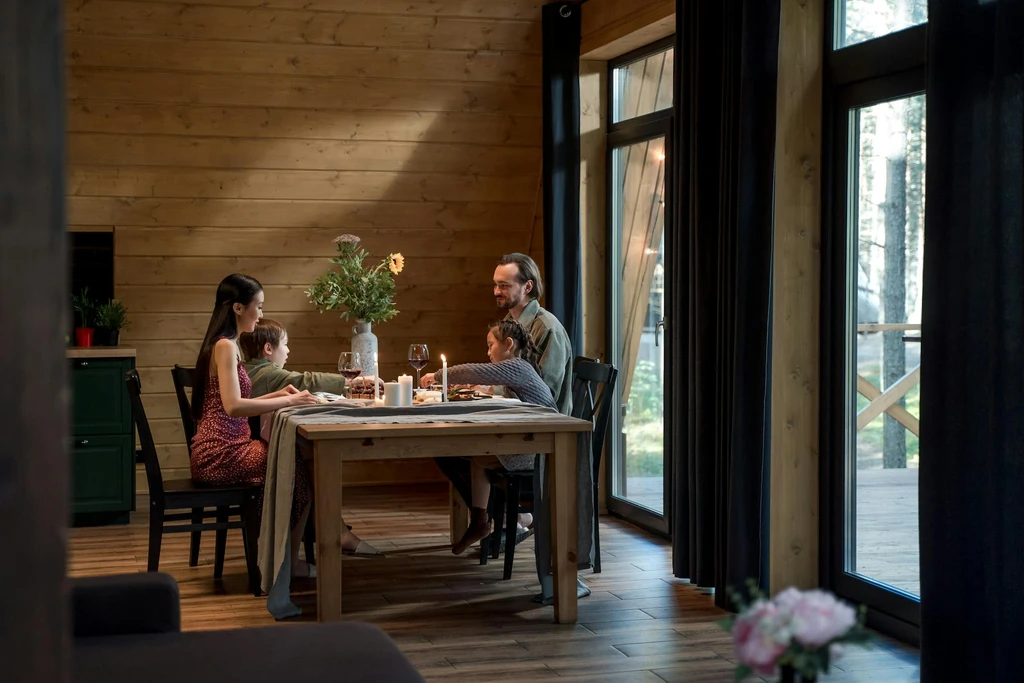
The most common version of this loneliness shows up in the people who are easiest to love-the warm ones, the agreeable ones. Warmth gets read as self-sufficiency. If someone seems okay, nobody asks. So you sit in the room, laugh at the right moments, ask everyone else how they're doing. An unmet question sits in your chest, and nobody asks it back. They've been assuming the answer for years.
Chronic loneliness in adulthood usually isn't about lacking people. It's about being surrounded by relationships where you were never allowed to stop performing long enough to be actually known. Every group assigns you a role early, and after fifteen years, the role is the only thing the group can see. The more skillfully you play the role, the lonelier it gets, because every successful performance reinforces the idea that the role is the truth.

The way out is smaller than you think. Answer one question more honestly than you usually would. Say the thing that doesn't fit the role. Let one person see something they weren't expecting to see, and watch what they do with it. Sometimes they flinch, and you learn something about that relationship. Sometimes they pause, look at you differently, and ask another question. That is the beginning of an updated portrait. That is the loneliness lifting, one brushstroke at a time.