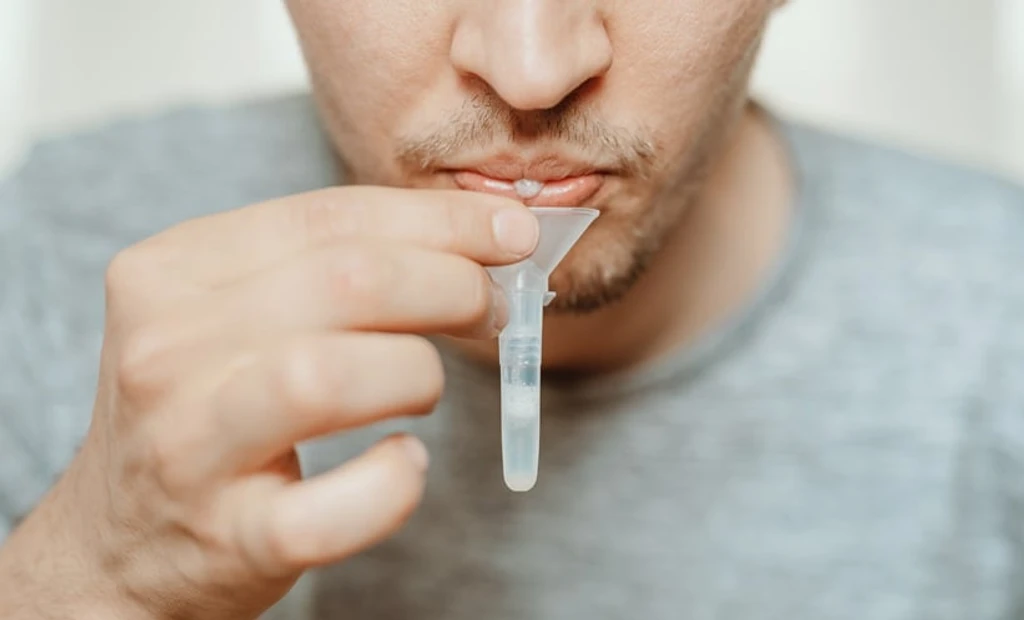
Salivary markers are emerging as a potential non-invasive tool for Alzheimer's diagnosis, but new evidence highlights inconsistent diagnostic performance. Variability in testing methods significantly affects accuracy, limiting clinical reliability across studies. While proposed as an accessible alternative to blood or cerebrospinal fluid biomarkers, inconsistent findings raise concerns about their diagnostic utility.
A systematic review examining methodological differences found substantial heterogeneity in diagnostic accuracy. Factors like fasting, unstimulated saliva, and -80°C storage improved performance. However, inconsistent methodologies, including lack of adherence to standardized guidelines, contribute to persistent variability in reported sensitivity and specificity, hindering reliable early detection and clinical decision-making.