Researchers have identified Streptococcus pyogenes, the bacteria responsible for strep throat and scarlet fever, in a 700-year-old mummy from Bolivia. This groundbreaking discovery provides the earliest confirmed evidence of this pathogen in the Americas, predating European exploration.
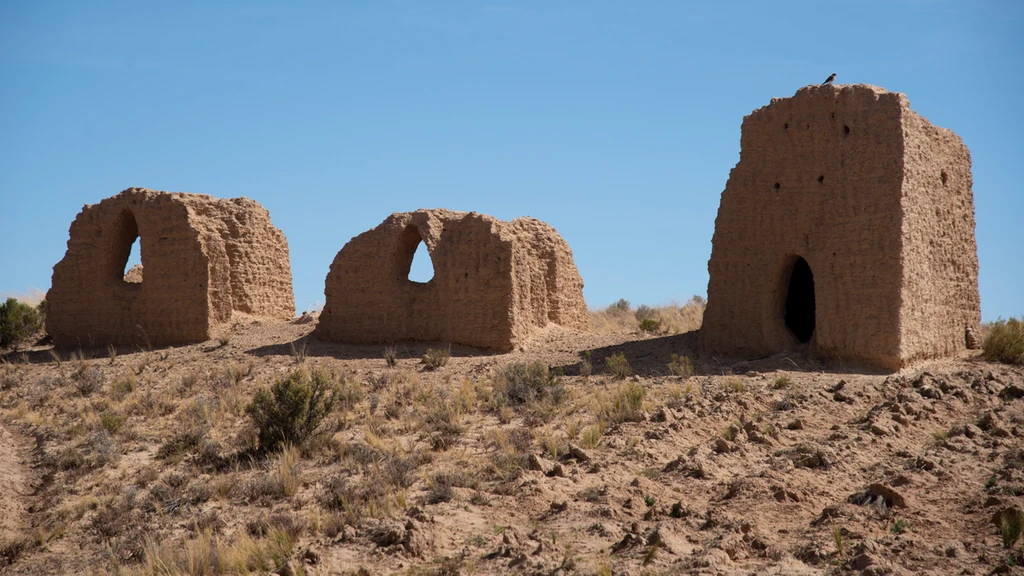
The mummy, a young adult male found in an ancient funeral tower on the Bolivian Altiplano, lived between 1283 and 1383. Analysis of DNA from his remains revealed S. pyogenes and Clostridium botulinum. The identified strep strain is genetically similar to modern versions and is the first time group A strep has been found in archaeological remains.
The ancient Bolivian strep strain's genome suggests it diverged from other lineages around 10,000 years ago, potentially coinciding with early human migration into the Andes. While the exact diseases are unclear, the strain most closely resembles modern 'throat specialists.' The study highlights the bacterium's long history in the Americas and calls for further research into its evolutionary path.