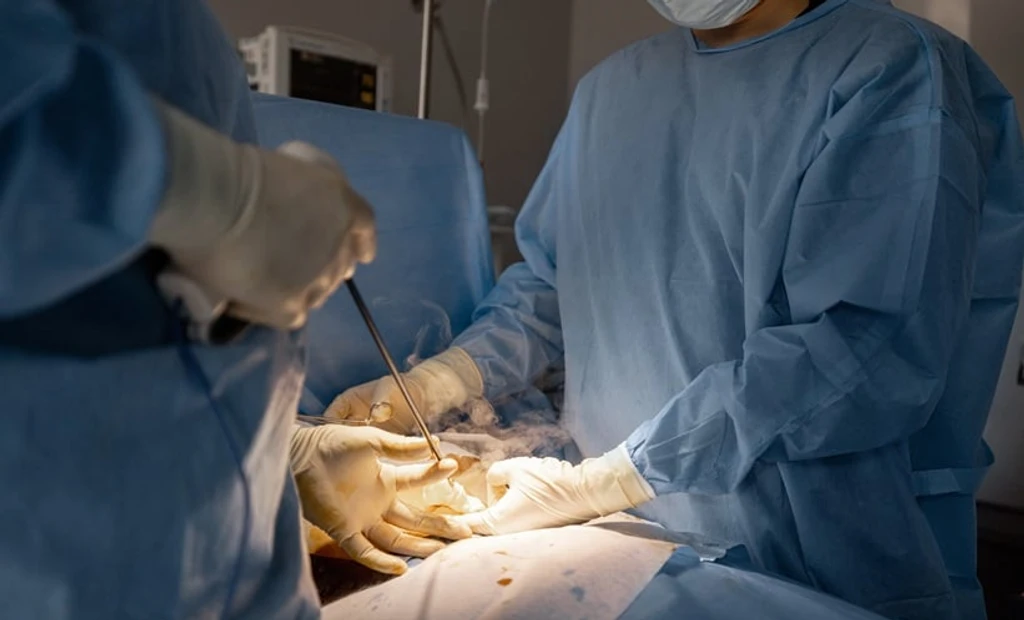
Concerns that surgical smoke could spread bladder cancer during robot-assisted radical cystectomy (RARC) appear unfounded, according to new research. The procedure is widely used but has raised questions over rare atypical recurrences like port site metastases.
Researchers analyzed exhaust filters and surgical smoke using digital PCR to detect the PIK3CA (E545K) bladder cancer mutation. No mutated DNA was found. Experiments replicating RARC conditions with T24 bladder cancer cells also showed no detectable TERT (C228T) mutations in the smoke.
Exosome levels-implicated in cancer progression-were significantly lower in surgical smoke than in control tumor samples. The study concludes that surgical smoke does not carry viable cancer cells, tumor DNA, or biologically relevant exosomes.
The findings suggest the risk of cancer dissemination via surgical smoke during RARC is negligible, supporting the oncological safety of minimally invasive bladder cancer surgery.