
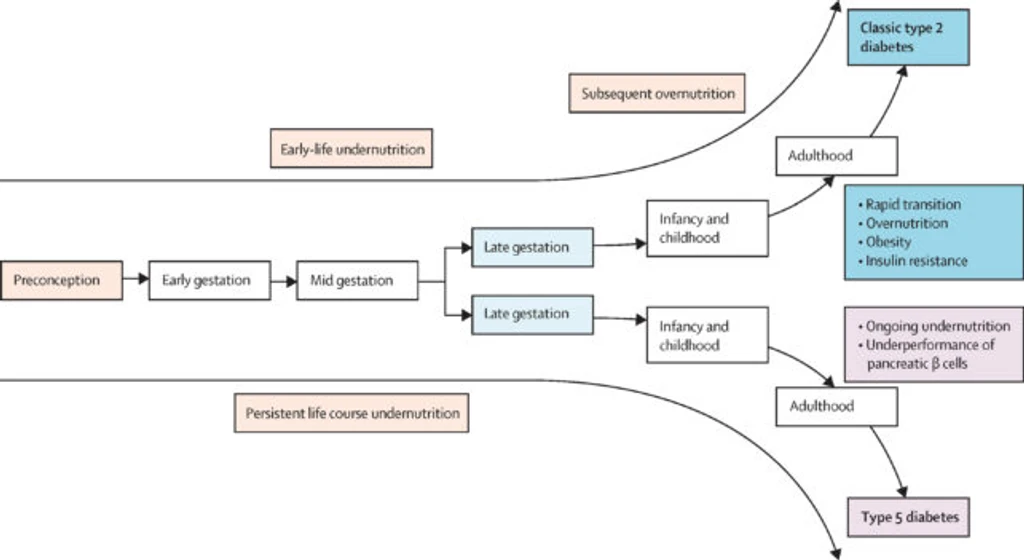
The International Diabetes Federation (IDF) has officially recognized a fifth form of diabetes in 2025, a move that follows decades of debate. The condition, known as Type 5 diabetes, is thought to affect up to 25 million people globally, particularly in low- and middle-income nations. Previously referred to as malnutrition-related diabetes mellitus (MRDM), this form of diabetes stems from nutrient deficiency rather than insulin resistance.

Scientists have debated the existence of Type 5 diabetes for nearly seventy years. Its diagnosis and treatment have been inconsistent, with the World Health Organization (WHO) withdrawing its classification in 1999 due to a lack of evidence. However, recent studies have demonstrated that chronic nutrient deficiencies can impact the pancreas, disrupting insulin secretion and blood sugar balance.
Researchers emphasize that understanding specific diabetes types is crucial for effective treatment. Unlike Type 1 or Type 2 diabetes, Type 5 diabetes may not respond to existing treatments and could even be exacerbated by them. The IDF has established a working group to develop diagnostic criteria and therapeutic guidelines for Type 5 diabetes.
Meredith Hawkins, an endocrinologist leading the IDF's Type 5 diabetes working group, highlighted that "Malnutrition-related diabetes is more common than tuberculosis and nearly as common as HIV, but the lack of an official name has hindered efforts to diagnose patients or find effective therapies." She expressed hope that formal recognition will spur progress against this neglected disease.
Managing Type 5 diabetes requires careful attention to insulin levels, as inappropriate treatment could lead to dangerous hypoglycemia, especially in regions with food insecurity. The IDF aims to establish a global research registry and training for healthcare professionals to address this critical health issue.