Osteoporosis, a condition where bones become weak and fragile, affects over 10 million adults in the U.S., predominantly women. Often silent, it's diagnosed only after a fracture. Technology is now stepping in to change this.
Artificial intelligence is enhancing medical imaging. AI software like BoneView can help radiologists identify subtle fractures on X-rays, potentially flagging underlying bone loss earlier and prompting further bone health evaluation.
CT scans, typically used for other conditions, can now also screen for bone density. Software like AutoBMD AI analyzes existing CT scans to estimate bone density, enabling opportunistic screening for osteopenia or osteoporosis without an extra appointment.
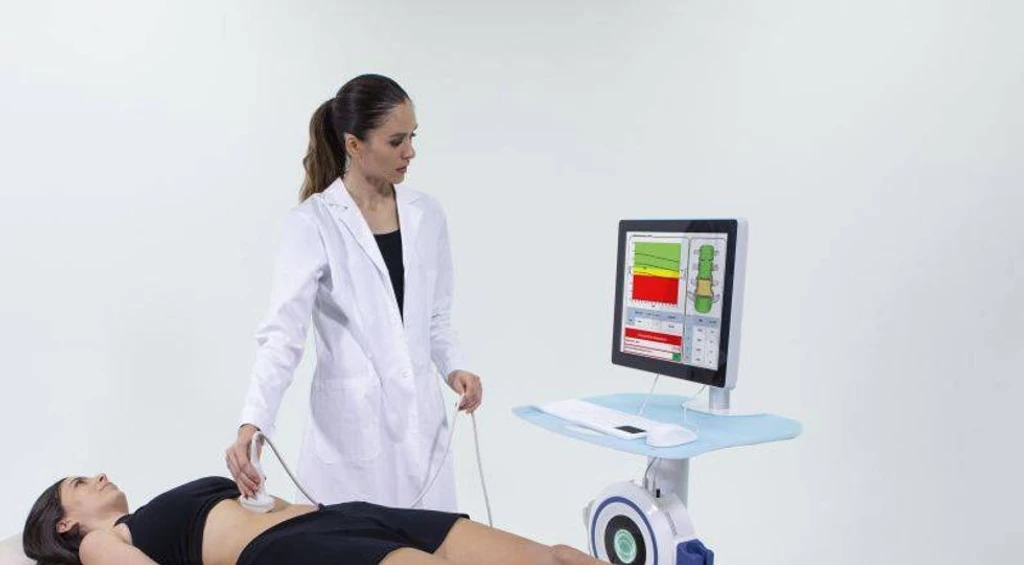
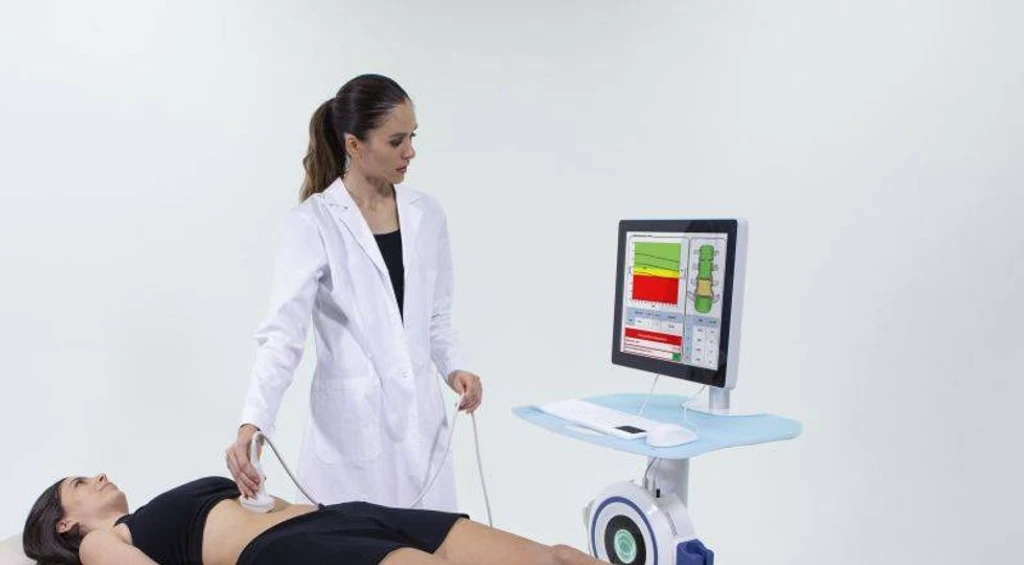
A new radiation-free method, Echolight's REMS technology, uses ultrasound to assess bone density and fracture risk. This portable, rapid testing could expand bone density screening beyond specialized centers to primary care settings.
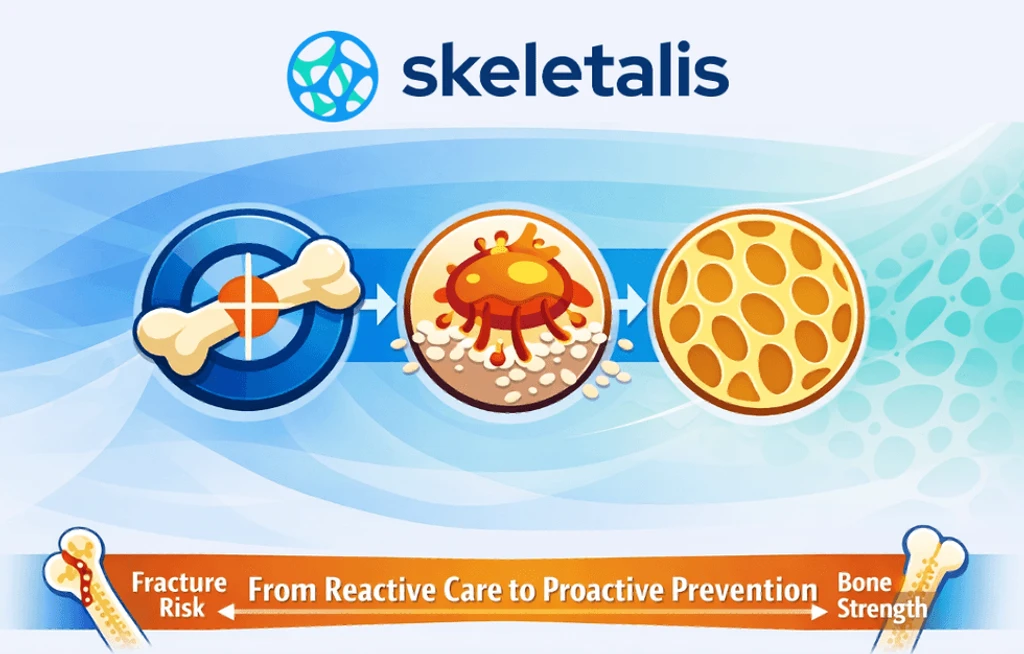
In treatment, companies like Skeletalis are developing targeted drug platforms to deliver medicine directly to areas of bone loss, aiming for greater effectiveness and fewer side effects than current osteoporosis medications.
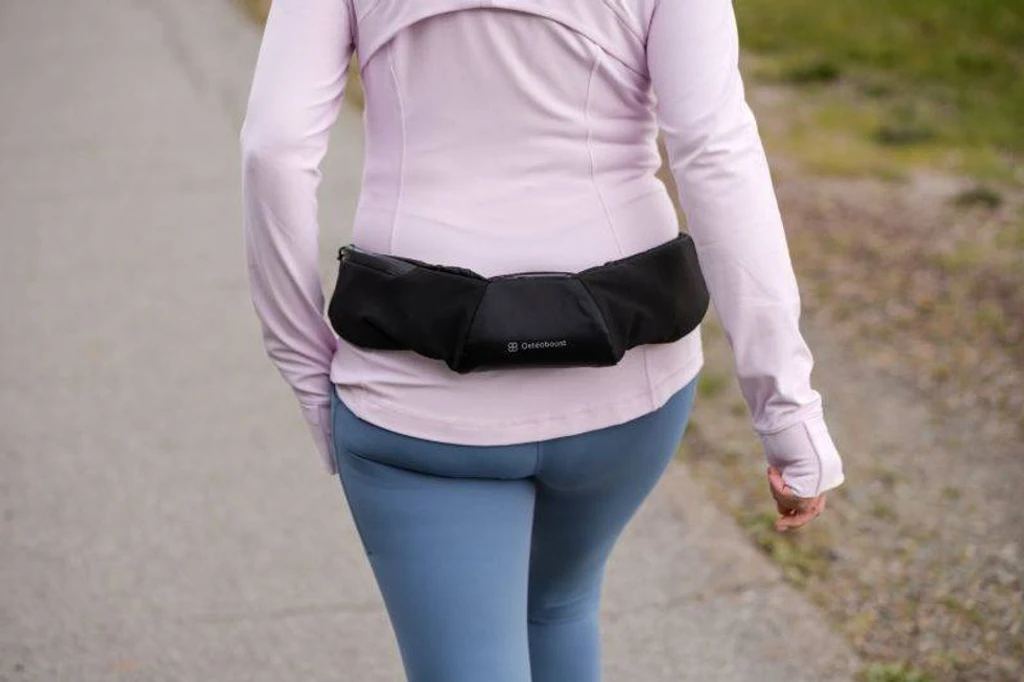
Osteoboost, a wearable belt inspired by NASA research, uses precision vibration therapy to stimulate bone cells and slow bone loss. Clinical trials show significant reductions in bone density loss for users.
These technological advancements-from AI fracture detection to wearable therapies-promise to transform bone care, enabling earlier diagnosis and more effective treatment to prevent debilitating fractures.