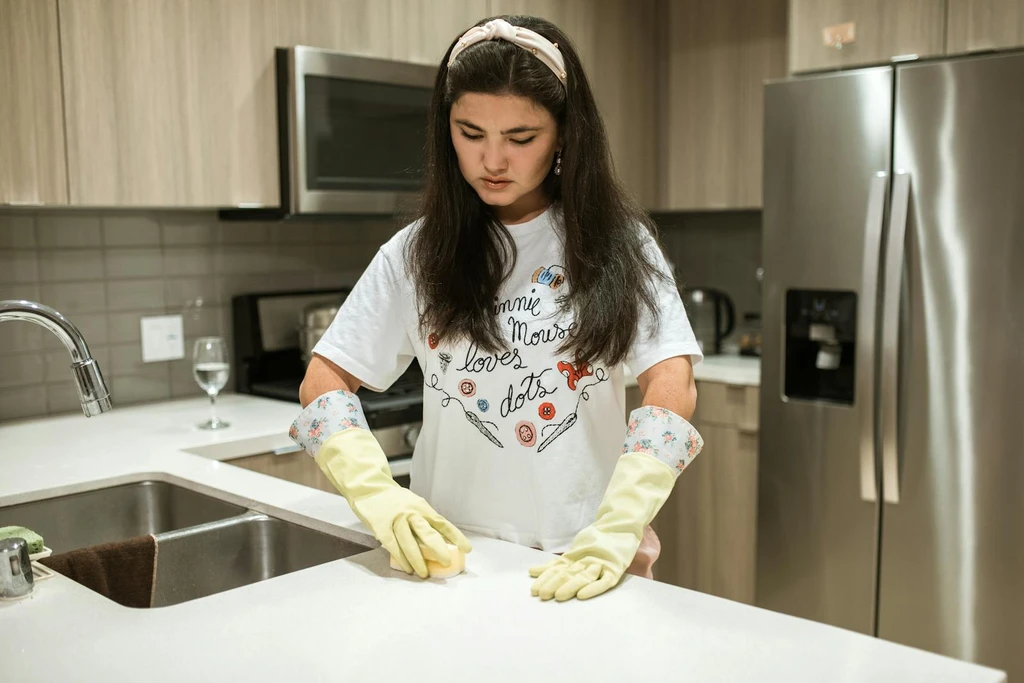
Experts are shedding light on a common guest behavior: tidying up someone else's home immediately upon arrival. This isn't typically a sign of good manners or helpfulness, but rather a deep-seated survival mechanism. Individuals who compulsively adjust cushions, clear tables, or put away items as soon as they enter a new space are often unconsciously 'auditioning' to prove their worthiness of being there. This behavior stems from early childhood experiences, particularly those with an anxious or preoccupied attachment style. When a child perceives love or belonging as conditional on their performance or usefulness, they learn that their presence must be 'earned.' This translates into adulthood as a reflex to contribute labor or 'be useful' in social settings, rather than simply receiving hospitality.

The underlying emotional hunger in caregivers, where a child's needs are secondary to the parent's need for admiration, can also foster this dynamic. Children learn that their role is to 'smooth things' and avoid being a problem. This instinct to contribute labor as the 'currency' of belonging can be particularly pronounced in individuals from working-class backgrounds who were taught early on to accommodate others.
Genuine prosocial behavior is voluntary and context-dependent, whereas compulsive tidying is an anxiety management strategy. It's a compulsion dressed as choice. This pattern can lead to an inability to be a true guest, creating imbalances in friendships and romantic relationships, and a pervasive fatigue from constantly 'paying the entry fee' for social interactions.
Attachment styles, while durable, are not fixed. Developing an 'earned secure attachment,' often through consistent positive relationships or therapy, can help. The critical first step is to notice the impulse and question its necessity: 'What would happen if I just sat down?' For many, the answer is surprisingly simple: nothing. The feared rejection or withdrawal doesn't occur; the bill they felt they owed was never sent.