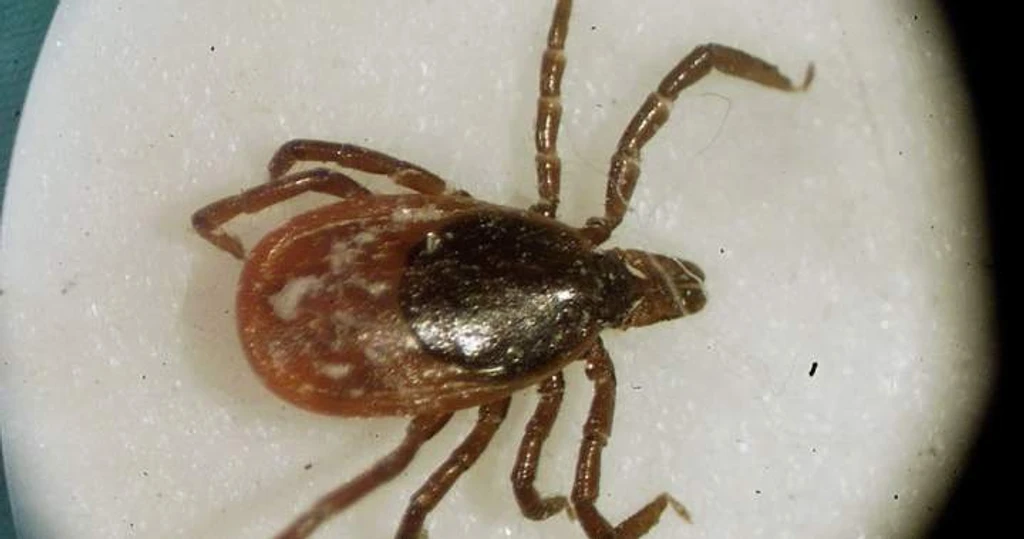
Ticks are becoming a year-round threat across Canada. Reported Lyme disease cases climbed from 917 in 2015 to over 5,200 preliminary cases in 2024, according to the Public Health Agency of Canada. Experts say the true number is likely much higher due to underdiagnosis.
Dr. Isaac Bogoch, an infectious disease specialist at Toronto General Hospital, says shorter, milder winters are allowing ticks to survive and thrive in more northern latitudes. He warns Lyme disease is no longer the only concern-anaplasmosis, babesiosis, and Rocky Mountain spotted fever are now appearing in areas where they were previously unseen.
In Quebec, Montreal reported 161 Lyme cases in 2025, the highest since the disease became reportable in 2003. Across Quebec, 869 cases were recorded last year. New Brunswick is also warning residents about increased tick activity.
Researchers are now monitoring alpha-gal syndrome, a rare condition that can trigger a red meat allergy after certain tick bites. Acadia University recently launched the Canadian Tick Research and Innovation Centre to study local tick populations.
Public health officials recommend wearing long sleeves and pants in wooded areas, using DEET repellent, and performing tick checks after outdoor activity. Removing a tick within 24 to 36 hours significantly reduces infection risk.