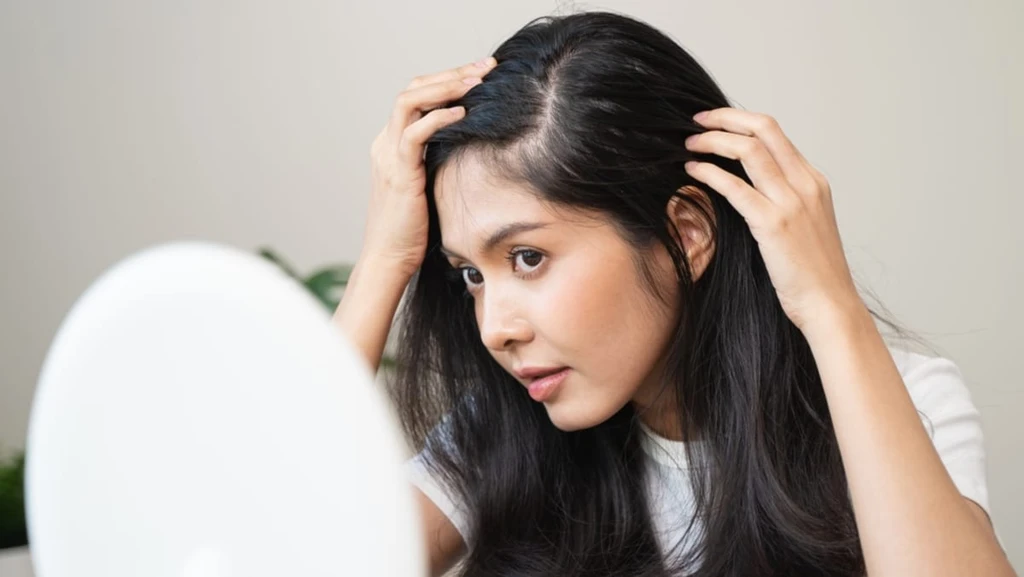
Hair sheds naturally, with most people losing 50 to 150 strands daily. However, ongoing thinning signals a need for closer examination. Hair loss can affect individuals earlier than expected, with a significant percentage of both men and women under 50 experiencing it. Early signs like a widening parting or a less voluminous ponytail are often dismissed as normal shedding.
Causes of hair loss are diverse, including hormonal shifts, rapid weight loss, physical stress, and scalp infections. The most common culprit is androgenetic alopecia, or hereditary hair loss, which manifests differently in men and women. Nutritional deficiencies, particularly low protein intake, can also contribute, as hair is primarily composed of keratin.
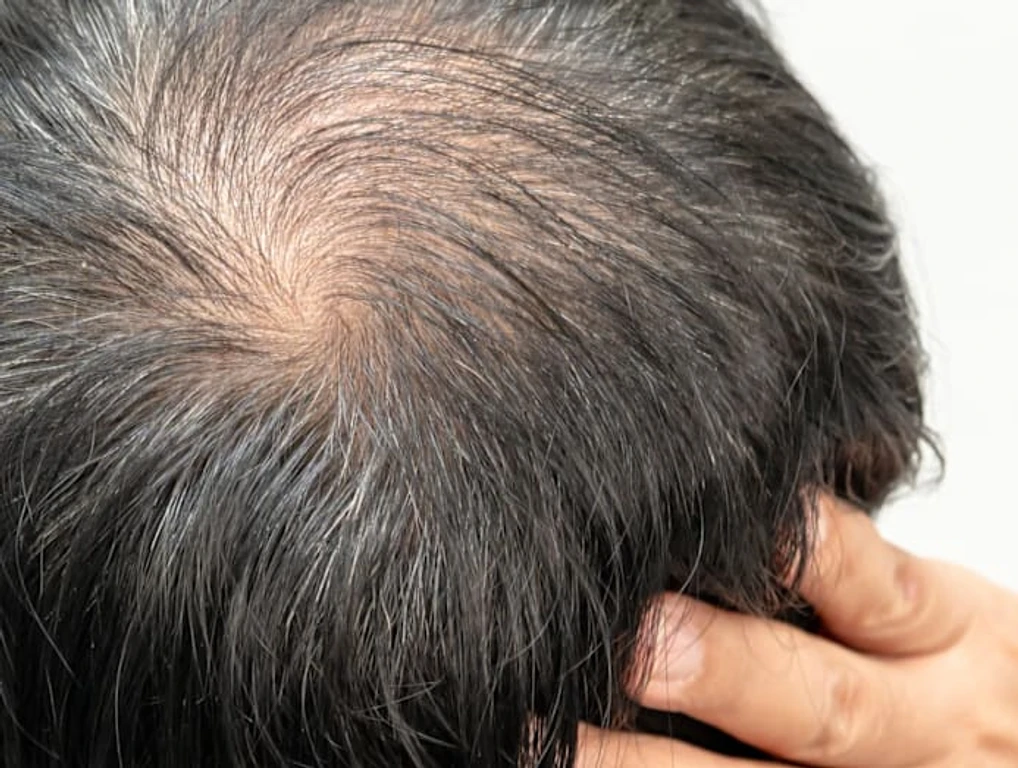
Effective management involves lifestyle adjustments, such as stress reduction and gentle hair care. For hereditary hair loss, topical treatments like minoxidil-based products have demonstrated efficacy in slowing loss and supporting regrowth when used consistently. Clinical studies indicate that minoxidil can improve hair growth and density over several months, though results vary and continuous use is necessary for sustained benefits.
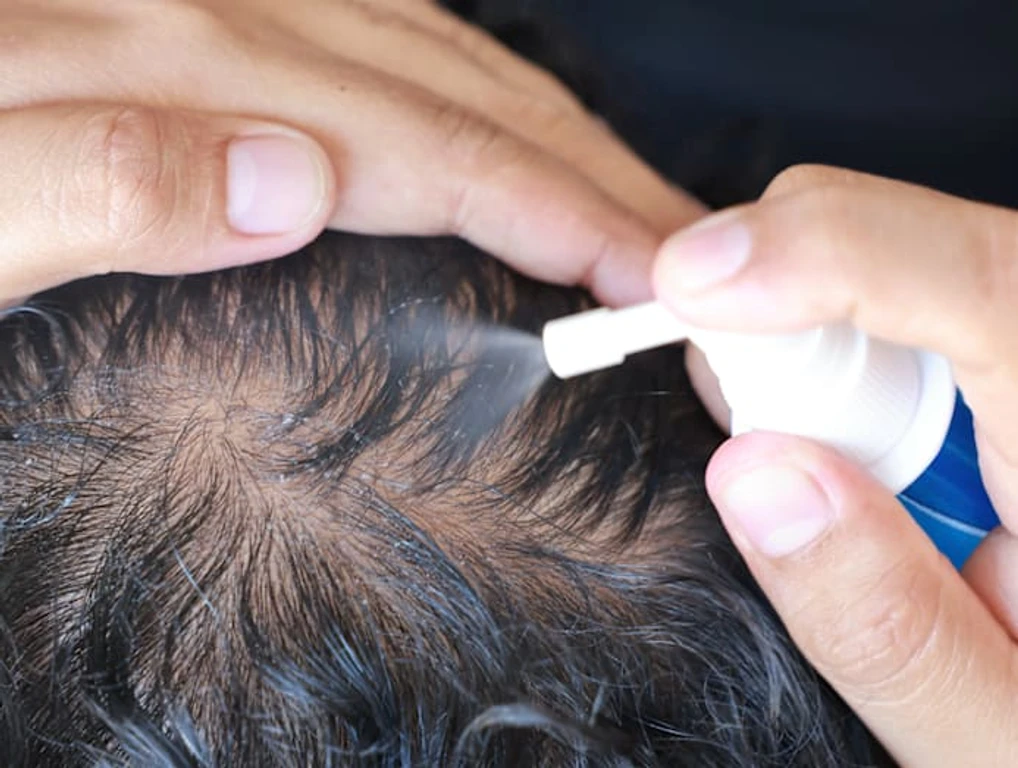
While generally well-tolerated, minoxidil may cause scalp irritation or temporary increased shedding in some users. It is crucial to consult a healthcare professional if you have underlying health conditions or are pregnant or breastfeeding before starting treatment. Patience is key, as noticeable results often require three to six months of consistent application.