
Licensed mental health professionals at Kaiser Permanente in northern California are sounding the alarm over a new patient screening system introduced in January 2024. The system, which uses non-clinical staff and online questionnaires to assess urgency, has led to delays in care for high-risk patients, according to five therapists and a union complaint filed with the California Department of Managed Health Care.
Therapists report more than 70 cases of negative outcomes since the rollout, including individuals with severe suicidal ideation arriving too late for intervention. Some clinicians say lower-risk patients are being fast-tracked, clogging an already strained system.
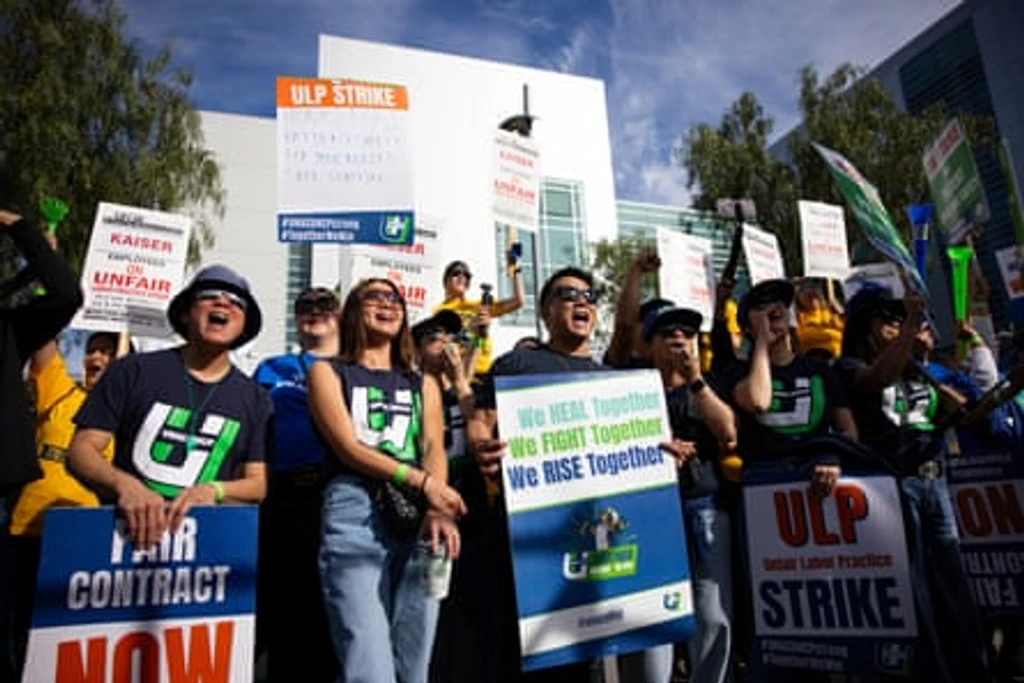
The National Union of Health Care Workers (NUHW) alleges that algorithm-driven triage violates state law. While Kaiser denies using algorithms to make clinical decisions, it acknowledges clerical staff may escalate urgent cases to licensed therapists.
Many clinicians say they fear job displacement due to AI integration. Kristi Reimer left her position after seeing 'the writing on the wall.' Harimandir Khalsa, a veteran triage therapist, says her team has lost two-thirds of its staff in two years and wonders: 'Am I next?'
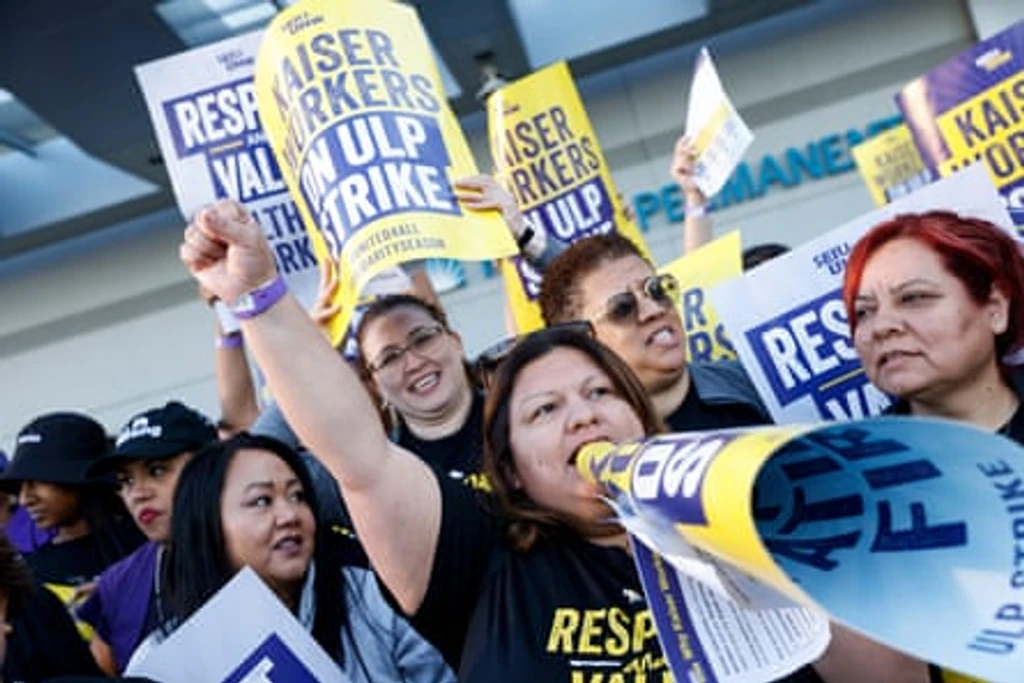
Kaiser maintains it is growing its workforce and that AI supports-not replaces-clinical judgment. However, therapists argue that human expertise remains essential for nuanced assessment. Carolyn Staehle, now on a crisis team, says the system forces her to rework basic triage tasks once handled by trained clinicians, slowing response times for those in immediate danger.