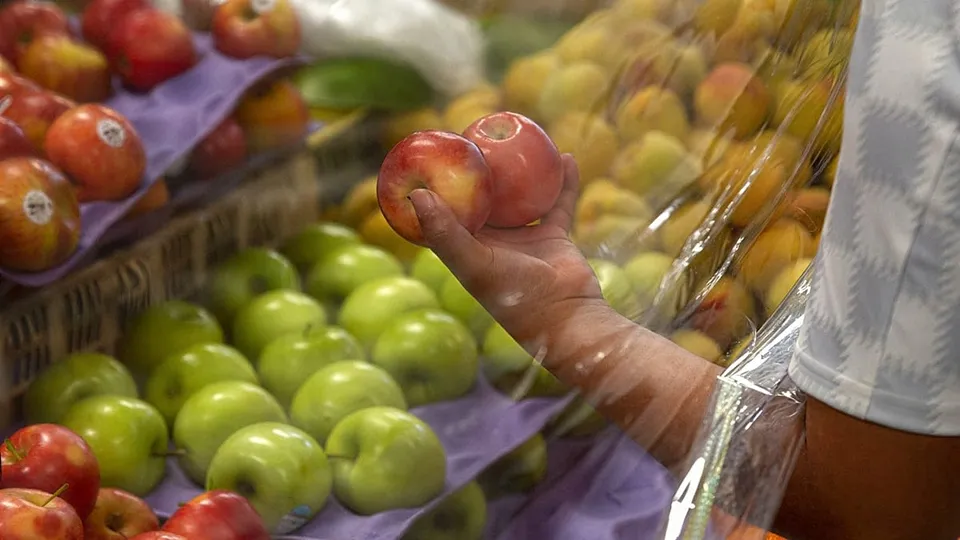
A new report indicates that 80% of apples tested in Spain contain residues of multiple toxic pesticides simultaneously, with the European average reaching 85%. Out of 59 samples of locally produced apples, an average of three different pesticides were detected per fruit, with some containing up to seven.
Key concerns include neurotoxic pesticides found in 36% of samples and PFAS in 64%. Fludioxonil, an endocrine disruptor, was detected in nearly 40%, while the fungicide captan, a possible carcinogen, appeared in 61%. Acetamiprid, a neurotoxic insecticide, was present in about 20% of apples.
The report criticizes a two-decade regulatory gap where the combined impact of pesticides, or the "cocktail effect," has not been officially assessed by the European Food Safety Authority (EFSA), despite being legally required.
Alarmingly, 71% of contaminated apples contained substances classified by the EU as "highly toxic." If marketed as baby food, 93% would fail EU standards for young children. Residue levels in some samples were up to 600 times higher than the permitted limit for infants, posing risks to vulnerable groups, including pregnant women due to potential impacts on fetal neurological development.
Experts recommend prioritizing locally produced organic apples. However, a proposed EU food safety proposal could potentially weaken existing health and environmental protections.