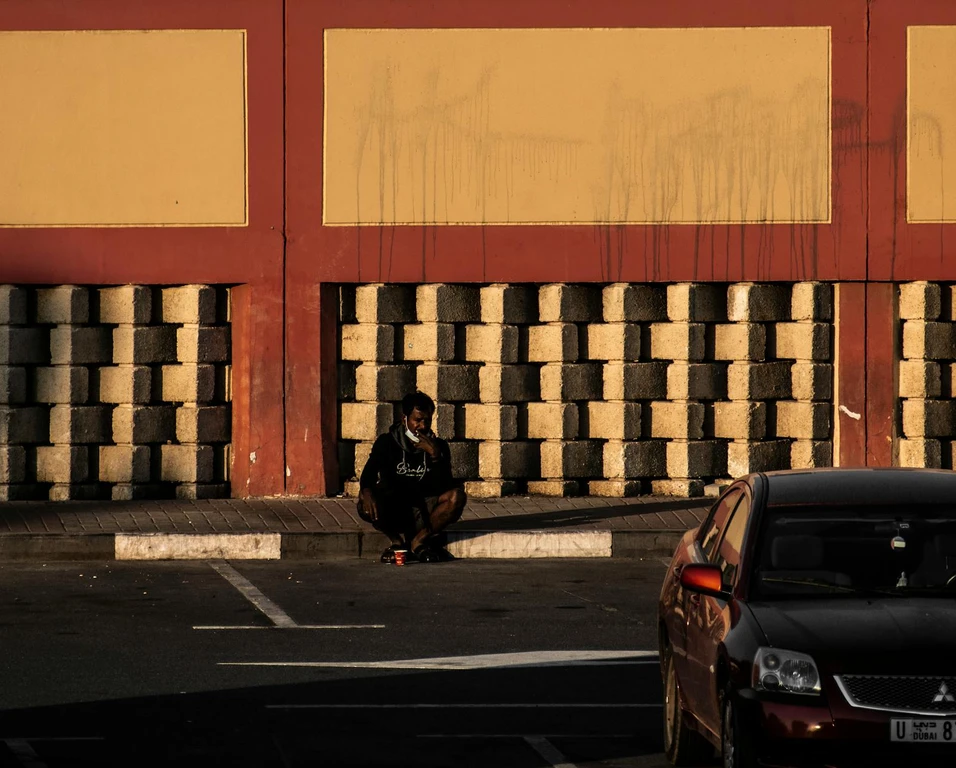
The person sitting in their car after pulling into the driveway isn't necessarily avoiding their family. Often, they are claiming the only block of time in their day that belongs to no one else.
For those whose lives are structured around being needed-by jobs, partners, children, or aging parents-home can feel like the start of a second shift. The car, parked and idling, becomes a neutral zone. It's a buffer between the employee role that ended at 5:47 PM and the parent role that starts at 5:58 PM.
A 2024 study from Oregon State University published in PLOS One surveyed nearly 900 adults on their experiences of solitude. The finding challenged the idea that complete isolation is always best. Less complete forms of solitude-reading in a café, listening to music while commuting, or sitting in a parked car-were often more restorative, helping people recharge while maintaining a sense of connection.
The key difference between this and avoidance is internal. Avoidance is dread of what comes next. Solitude is reluctance to surrender the present moment. The person in the car is not rejecting their household; they are simply asking for a few more minutes before becoming available again.
This need hits hardest for people in high-demand roles. Caregivers, parents of young children, nurses, teachers, and managers all may require a longer transition period. When both work and home life involve constant demands, the car becomes one of the last unproductive spaces left.
The irony is that the pause is often taken for the family, not from it. The five-minute version who walks straight in may be shorter-tempered. The ten-minute version who took the break is often the one everyone actually wants to see at the door.
This behavior reveals a structural fact about modern adulthood: for many, the day contains almost no unstructured time. The parked car is not the problem. It is the receipt for a life where every moment is accounted for.