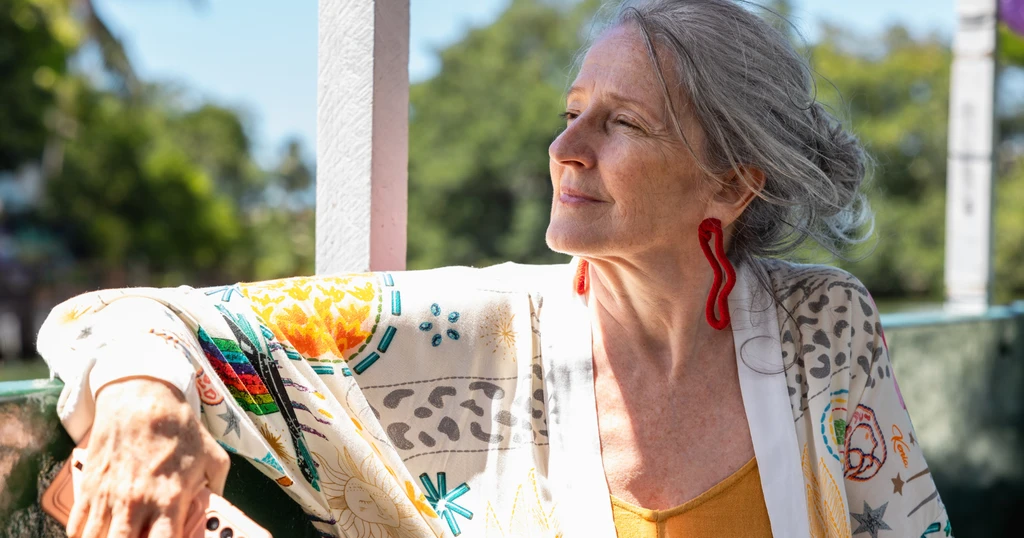
A 71-year-old reader's profound message: "The day I stopped waiting for my children to make me feel appreciated was the day I finally understood that I had spent thirty years confusing their love for me with their ability to express it."
This realization highlights a common trap: mistaking someone's capacity to show love for its actual presence. We often create unnecessary suffering by expecting love in specific ways, leading to disappointment when those expectations aren't met.
The reader's experience mirrors a common pattern. For decades, she awaited verbal thanks and frequent visits, feeling invisible when these didn't materialize. However, at 71, a shift occurred. She began to see love expressed differently: a son fixing her computer, a daughter sending memes, grandchildren's joy. The love was present, speaking a language she hadn't initially recognized.
Our world, amplified by social media, trains us to seek tangible proof and validation. Yet, love often defies such metrics. Buddhist philosophy, for instance, teaches non-attachment-releasing the grip on how things should unfold, transforming how we perceive love.
Love manifests in various forms: acts of service, physical presence, problem-solving, or simple inclusion. Fixating on one format can blind us to others. One man learned this when a friend, not one for deep conversations, consistently offered practical help with moving or fixing things, demonstrating love through action.
This shift requires learning to receive love as it's offered, not as we demand it. It doesn't mean accepting poor treatment but recognizing love already present, perhaps in unexpected packaging.
The "waiting game"-for validation, appreciation, or specific expressions of love-is exhausting and breeds disappointment. True wholeness comes not from others completing us, but from recognizing love's diverse expressions.
Understanding that a person's ability to express love is distinct from their feelings can be liberating. Some struggle with vulnerability, others with words, and some carry past wounds. A child's silence may mask a heart full of love, and a partner's forgotten anniversary might be overshadowed by daily gestures.
Relationships thrive on curiosity and openness, on seeing love in unexpected forms. The invitation is to broaden our awareness, to recognize that love speaks many languages, and to stop waiting for a specific costume, as love may be present, dressed differently, all around us.