
New analysis indicates twins may experience developmental delays in early childhood compared to their single-born siblings, potentially impacting long-term learning.
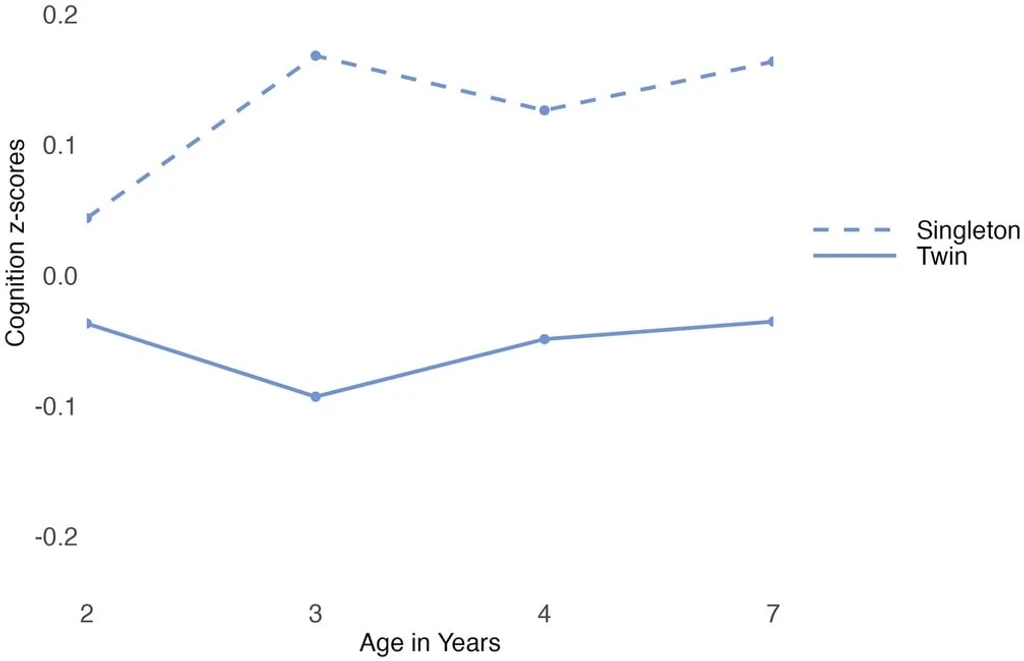
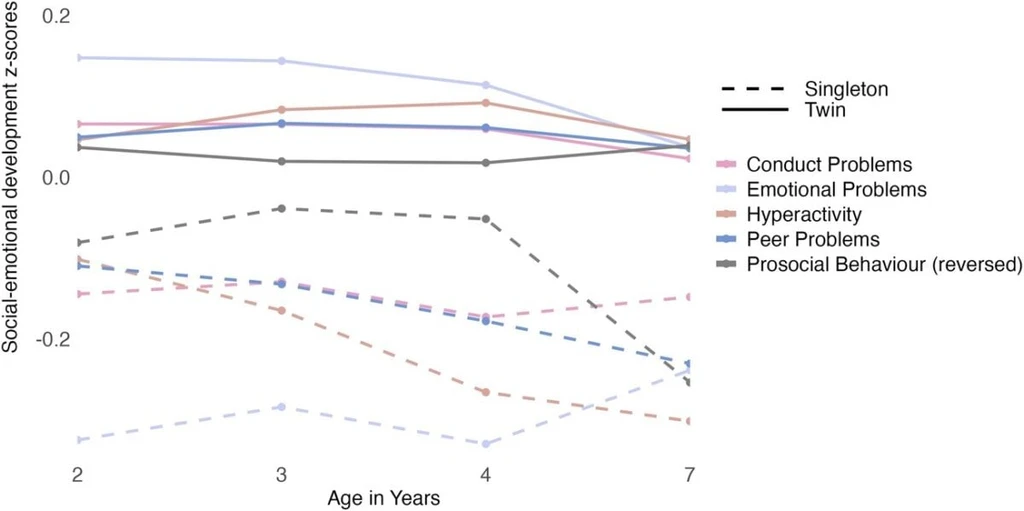
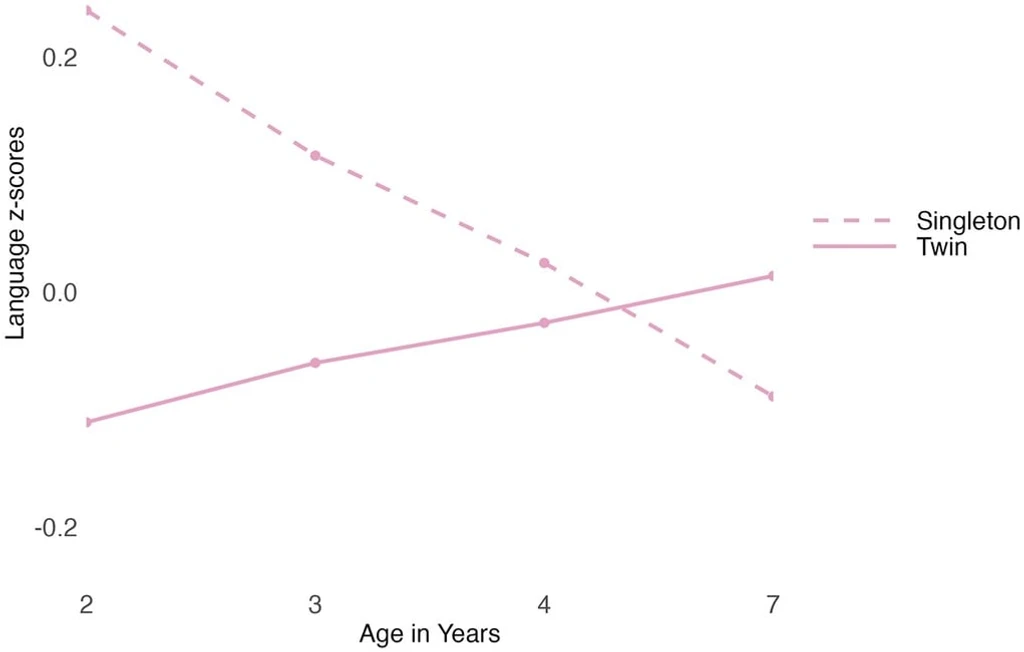
The study suggests twins display disadvantages in cognition, language, and social-emotional skills approaching school age, though they surpass singletons in language by age 7.
"The twin experience creates a specific set of challenges that are often overlooked," stated lead author Emily Wood, a developmental psychologist. "When you have two children of the exact same age, they are in direct competition for everything - from toys and food to a parent's one-on-one attention."
This unique study compared twins and singleton children from the same family, accounting for genetics, environment, and household variables. Data from the Twins Early Development Study (TEDS) tracked 851 twin pairs and their younger singleton siblings.
At ages 2, 3, and 4, singleton children scored higher than twins in cognition and social-emotional development, exhibiting more prosocial behaviors and fewer conduct or emotional problems. These differences, particularly in issues like hyperactivity, increased as children neared school age.
However, twins caught up to and exceeded their single siblings in language skills by age 7.
Researchers note that factors such as shared parental attention and increased stress in raising twins can influence these developmental patterns. The study suggests twins may benefit from additional early support to mitigate these delays.
Twin births are becoming more common, driven by trends like older maternal age and increased IVF use.