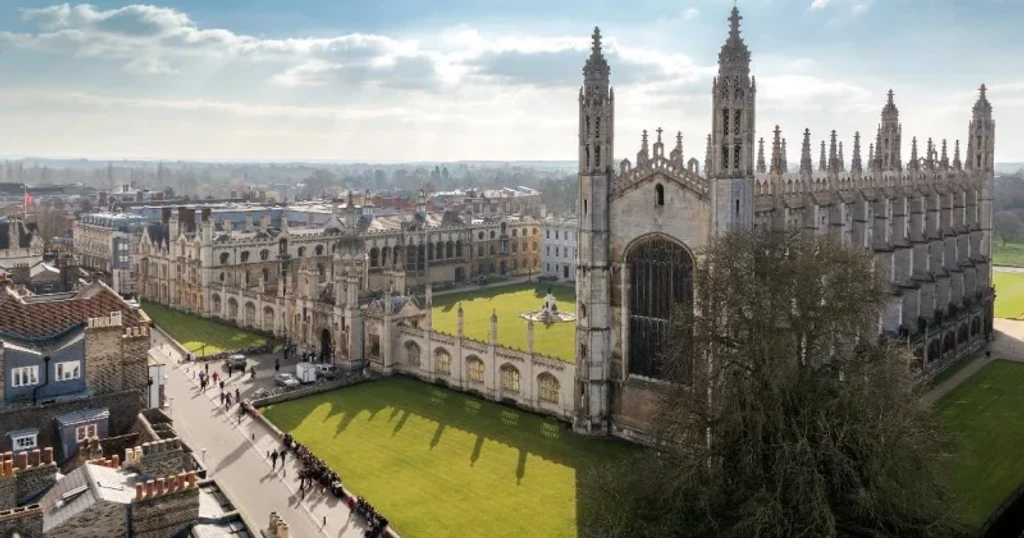
Researchers at the University of Cambridge have completed the first human clinical trial of a vaccine component designed entirely by artificial intelligence. The Phase 1 study, involving 39 healthy adults aged 18 to 50, found the AI-crafted antigen to be safe and capable of generating immune responses against SARS-CoV-2, SARS, and bat-borne coronaviruses not yet transmitted to humans.
The project was led by Professor Jonathan Heeney of the Cambridge Lab of Viral Zoonotics and DIOSynVax, a spinout company focused on computationally designed vaccines. The AI system ingested genetic sequence data from global coronavirus surveillance, identifying conserved structural features across Sarbecovirus strains. Instead of targeting rapidly mutating regions, the AI generated a synthetic "super-antigen" designed to train the immune system to recognize a broad family of coronaviruses.
Data was collected between December 2021 and September 2023, with results published in the Journal of Infection. No significant side effects were reported. This marks the first time a computationally designed vaccine component has been tested in humans, giving a credibility boost to the AI-driven drug discovery industry. Heeney's team aims to provide protection against viruses that have not yet spilled over from bat populations, a pattern that has seen SARS-CoV-1, MERS, and SARS-CoV-2 emerge since 2002.