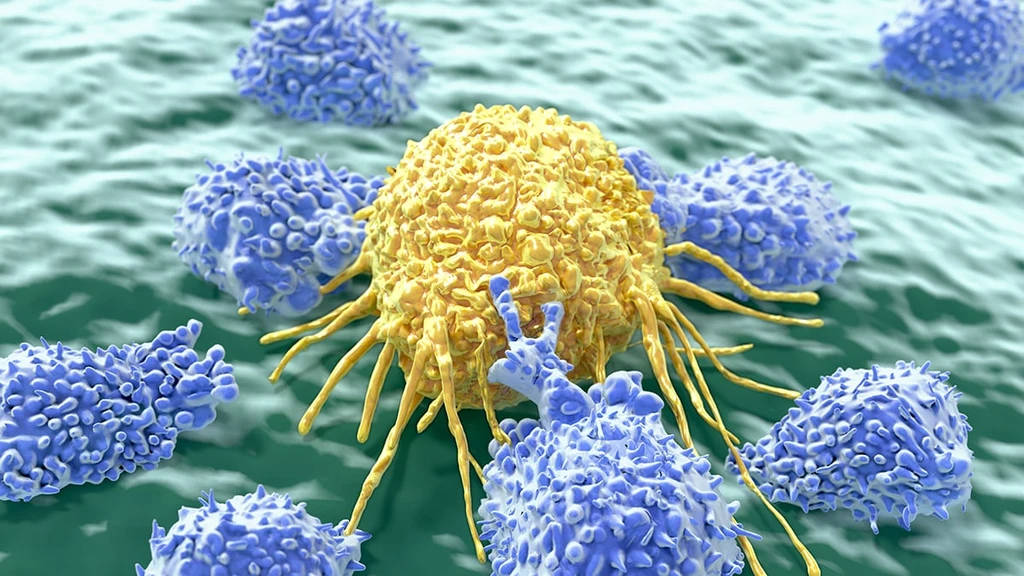
German researchers have identified a surprising role for vitamin B2 in cancer cell survival. Scientists at the University of Würzburg found that cancer cells use riboflavin to build a shield against ferroptosis, a form of programmed cell death.

The team traced how cancer cells employ vitamin B2 to fuel a protein called FSP1, which protects them from ferroptosis. By screening thousands of genes, they pinpointed the RFK gene as critical for this process.
Crucially, the study identified a compound called roseoflavin that mimics vitamin B2. In lab tests, roseoflavin tricked cancer cells into absorbing it but failed to support their defenses, promoting cell death instead.
Researcher Vera Skafar explained that vitamin B2 is essential for healthy cell function but provides a survival advantage to cancer cells. The hope is to develop treatments that disrupt this mechanism without harming normal cells.
The study, published in Nature Cell Biology, also suggests the finding could inform research on stroke and neurodegenerative diseases, where ferroptosis plays a role.