
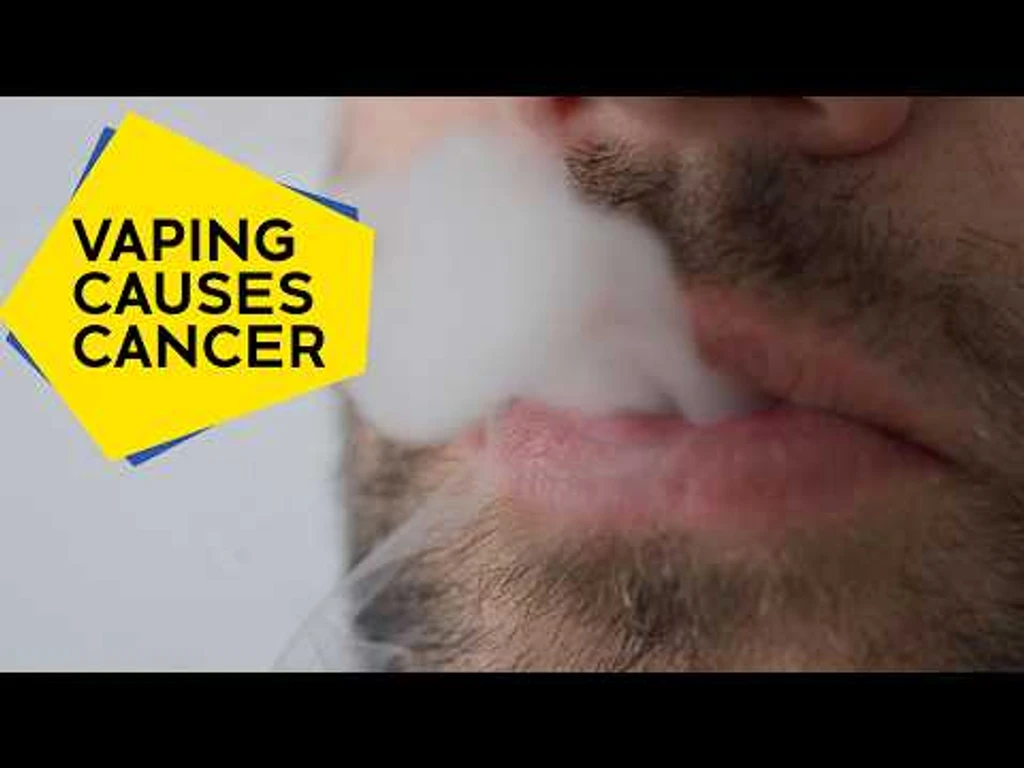
Nicotine vaping is likely to cause lung and oral cancers, according to a major new study.
The review analyzed over 100 studies published since 2017, including human trials, animal experiments, and lab-based research on vape aerosols. Researchers found evidence of DNA damage, oxidative stress, inflammation, and lung tumor development in mice exposed to vape vapor.
The study's authors, Freddy Sitas and Bernard Stewart of the University of New South Wales, warn against repeating past mistakes made with cigarettes.
"E-cigarettes are likely to cause lung cancer and oral cancer," said Stewart, a cancer researcher.
The study excluded dual users-those who both vape and smoke-and focused solely on e-cigarette impacts. It also considered rare cases of aggressive oral cancers in young non-smokers with no prior risk factors.
While vaping is sometimes used to quit smoking, many young users begin vaping without ever having smoked, exposing themselves to potentially harmful substances.
Although long-term data is lacking, the emerging evidence suggests a significant cancer risk from vaping. Scientists urge policymakers to act swiftly, noting it took decades to understand smoking’s link to cancer.
The study was published in Carcinogenesis.