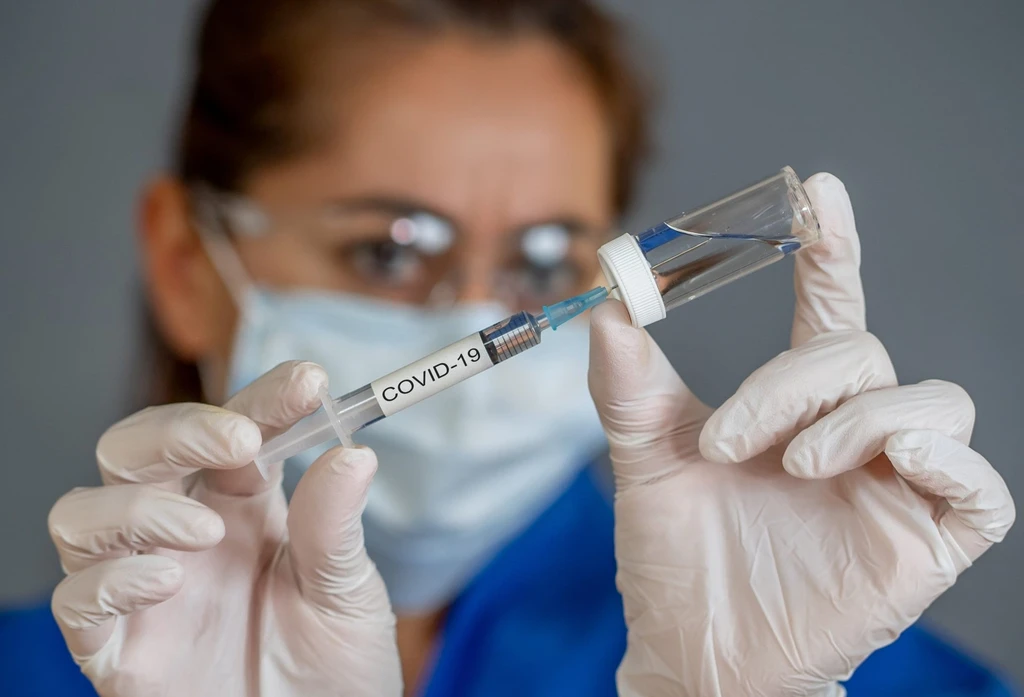
Cases of human metapneumovirus (HMPV) are increasing in states including California and New Jersey. This virus causes upper and lower respiratory disease. Currently, there is no vaccine to prevent HMPV and no specific antiviral therapy to treat it. Medical care is supportive, focusing on symptom management. Most individuals recover on their own with rest and hydration.
HMPV was first identified in 2001 and is not a new virus. Recent U.S. case numbers have not reached current levels since an outbreak in April 2025. As of February 21, HMPV accounts for over 5% of weekly reported respiratory virus tests, a rise from the previous week. In New Jersey, the surge in HMPV, alongside RSV, COVID, and flu cases, has significantly increased demand for emergency medical care.
Symptoms of HMPV include cough, nasal congestion, fever, and shortness of breath. These can sometimes lead to bronchitis or pneumonia. Like the flu, HMPV is seasonal, circulating from winter through spring. The incubation period is three to six days, with younger children and individuals over 65 being at higher risk.
While specific treatments or vaccines are unavailable, core prevention strategies for respiratory viruses are recommended. These include frequent hand washing, avoiding contact with eyes, nose, and mouth with unwashed hands, limiting close contact with sick individuals, cleaning frequently touched surfaces, and ensuring cleaner air. Covering coughs and sneezes is also advised for those with cold-like symptoms.