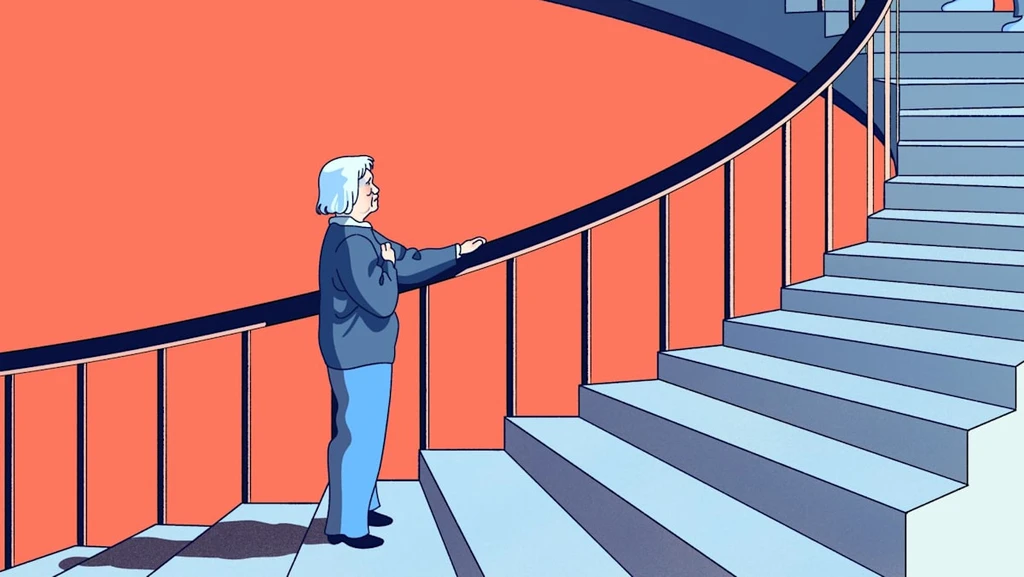
In the 1980s and 90s, doctors diagnosed frailty largely on intuition. “We used to say, ‘You know it when you see it,’” said Dr. Peter Abadir of Johns Hopkins. Today, the field has advanced.
Frailty means having more vulnerability and less resilience to health events. Frail individuals are more likely to fall, be hospitalized, or die from complications. About 11% of adults in their 50s qualify as frail; that jumps to 51% for those 90 or older. In the U.S., rates are higher among women, Black and Hispanic Americans, and low-income populations.
Doctors use two main diagnostic methods. The first focuses on physical abilities: grip strength, walking speed, exhaustion, inactivity, and weight loss. Having three or more traits indicates frailty. The second model counts health conditions and symptoms. A score of 0.25 or higher is considered frail.
Experts believe frailty results from decline in multiple organ systems, especially musculoskeletal, immune, and metabolic. Accelerated deterioration can be triggered by conditions like kidney failure or dementia-or occur naturally.
There is no cure once frailty sets in, so prevention is key. Strength training, aerobic conditioning, adequate protein intake, and social engagement are critical. “Long before getting older, people should maintain their strength and muscle mass,” said Dr. Linda Fried of Columbia University. “Aging is inevitable, but aging well is not.”