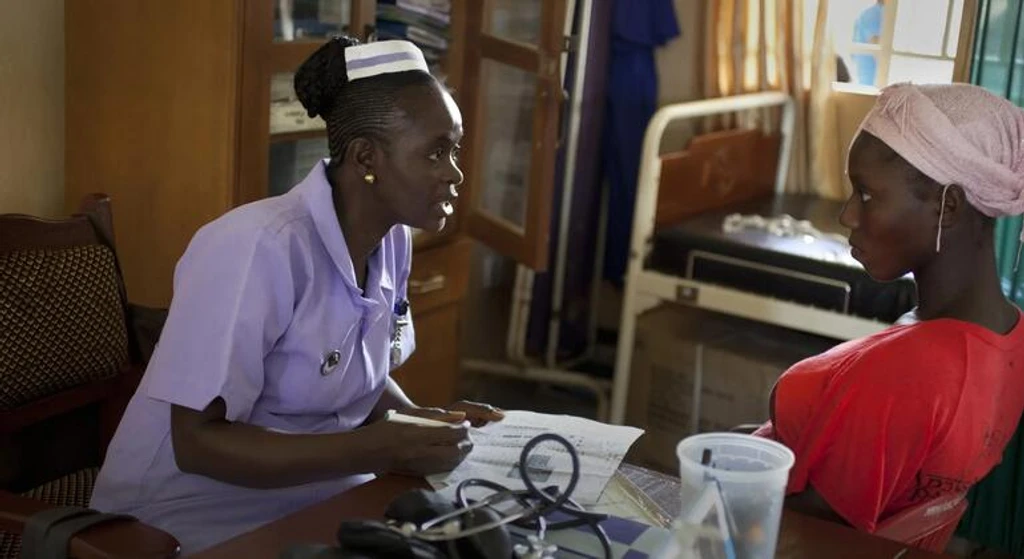
Across the globe, women face systemic healthcare disparities that shorten their quality of life despite living longer. Misdiagnosis, outdated tools, and underrepresentation in medical research contribute to these gaps.
UN data shows maternal mortality dropped 40% between 2000 and 2023. Yet in least developed nations, adolescent births rose. Women live 3.8 years longer but spend more time in poor health-10.9 years versus 8.0 for men.
Outdated diagnostic tools like the 19th-century speculum are still in use. Endometriosis, affecting 190 million globally, often takes 4-12 years to diagnose. This delay stems from dismissing women’s symptoms.
Historically, women were excluded from clinical trials until 1993. Today, AI datasets still lack female representation. Heart disease symptoms differ in women, yet are often misidentified or ignored.
Solutions include inclusive research, better diagnostics, and stronger female leadership in healthcare. These changes can improve outcomes and save lives.