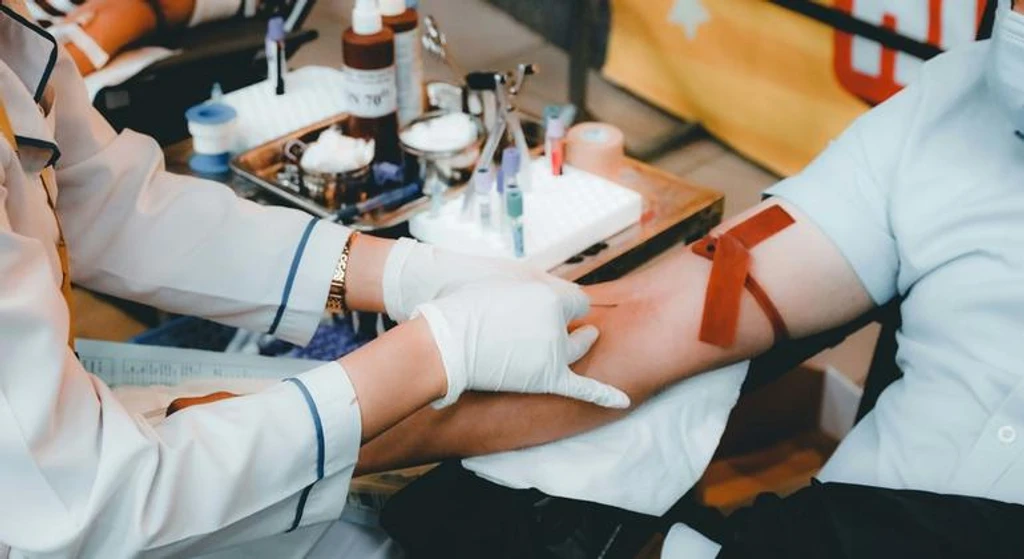
Safe blood remains a lifeline for childbirth complications, trauma victims, and cancer patients. However, a new World Health Organization report confirms that access to this critical resource is deeply unequal. While safety protocols have advanced, shortages in lower-income countries continue to endanger lives.
The study, covering 168 countries, highlights a major milestone: over 85 percent of global blood donations now come from voluntary unpaid donors, the gold standard for safety and sustainability.
Despite this progress, weak governance and inadequate financing severely limit access in low- and middle-income nations. Deusdedit Mubangizi, WHO Director for Medicines and Health Products, noted that universal access to safe blood remains elusive for many.
Beyond transfusions, donated plasma is vital for producing medicines treating bleeding disorders and immune deficiencies. The report identifies unsustainable funding as a primary obstacle, urging sustained political commitment and international cooperation to secure equitable supply chains.
Ahead of World Blood Donor Day, the WHO campaign "One Drop of Humanity" emphasizes solidarity and the urgent need for regular voluntary donation to strengthen resilient health systems globally.