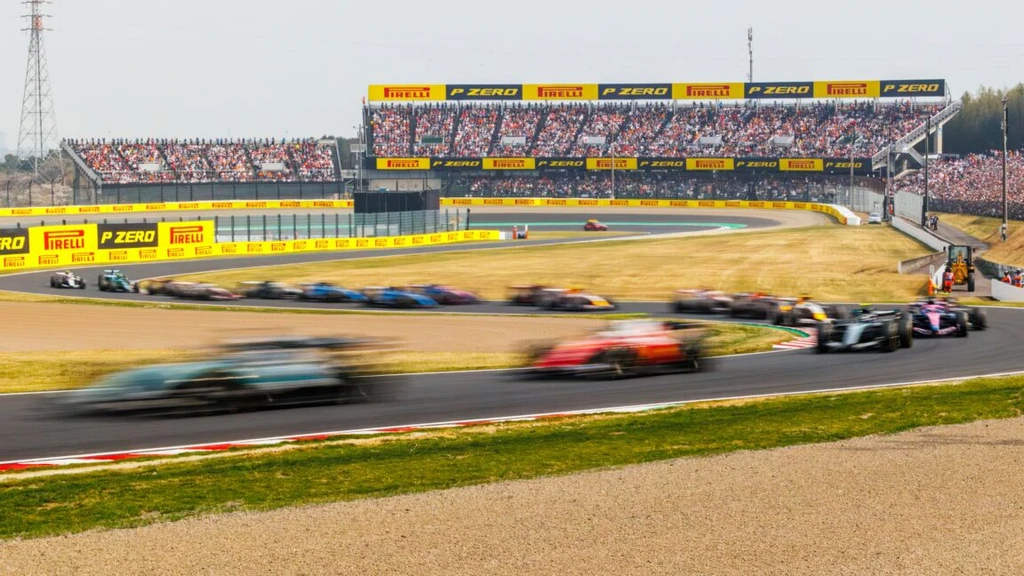
The 2026 Japanese Grand Prix revealed a fundamental flaw in Formula 1's radical new hybrid power units. Designed to attract manufacturers like Audi and Ford, the near 50:50 split between combustion and electric power has created an energy crisis on fast circuits.
The small battery pack cannot regenerate enough energy at tracks like Suzuka, which lacks sufficient braking zones. Cars must siphon power from the engine, leading to erratic and unpredictable performance. This resulted in dangerous speed differentials, exemplified by Oliver Bearman's high-impact crash with Franco Colapinto's Alpine.
The most dramatic consequence is the neutering of iconic fast corners. At Suzuka's famous 130R, drivers now coast through, losing up to 50 km/h. The fastest lap is no longer about pushing flat-out, but strategically deploying limited energy. Drivers like Charles Leclerc and Carlos Sainz criticize the system, saying pushing harder in corners now results in slower lap times.
Four-time champion Max Verstappen, whose Red Bull is now uncompetitive, has called the racing a "joke" and "anti-racing." He may retire at the end of 2026. The sport will hold crisis talks on April 9, but solutions like larger batteries or fuel tanks would require costly redesigns.
Mercedes driver Kimi Antonelli won the race, aided by a safety car, with McLaren's Oscar Piastri second and Ferrari's Charles Leclerc third. The series now enters a five-week hiatus before the Miami Grand Prix in May.