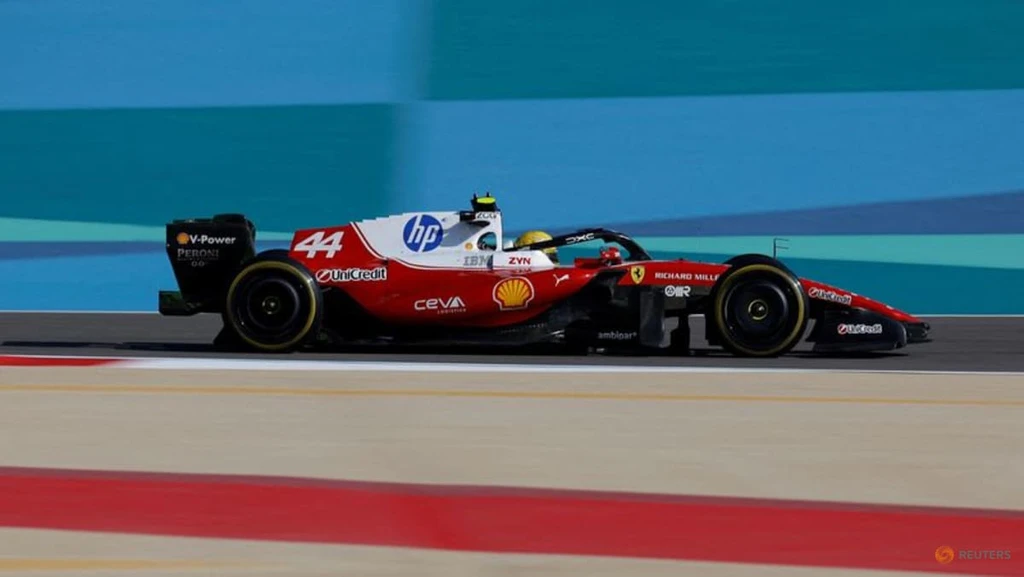
Formula One enters a new era this weekend at the Australian Grand Prix, confronting teams with unprecedented technical regulations for the first time under race conditions.
For decades, F1 has simultaneously overhauled chassis and power unit rules. While winter testing offered some insight into cars running on advanced sustainable fuel and near-parity between electric and combustion engines, teams remain uncertain about race-day performance.
McLaren's Oscar Piastri acknowledged the learning curve: "You don't know what you don't know." He noted that the new regulations place a greater emphasis on tactical energy deployment and regeneration, with a new overtake mode replacing the old drag reduction system.
Max Verstappen described the changes as "anti-racing," but Formula One CEO Stefano Domenicali defended the overhaul, promising continued thrills.
The impact of these changes may vary across circuits, forcing teams to adapt continuously. Piastri anticipates Sunday's race at Albert Park will highlight the more "unnatural" aspects of the new driving style, involving significant lift-and-coast maneuvers.
While the regulations aimed for a more open championship, pre-season testing suggested a familiar hierarchy among top teams like Ferrari, Mercedes, Red Bull, and McLaren. However, concerns linger about a potential widening of the performance gap between leading and trailing teams.
The addition of the new Cadillac team will further crowd the F1 grid. Aston Martin, despite Adrian Newey's technical guidance, faces reliability issues, potentially limiting their race time in Australia.