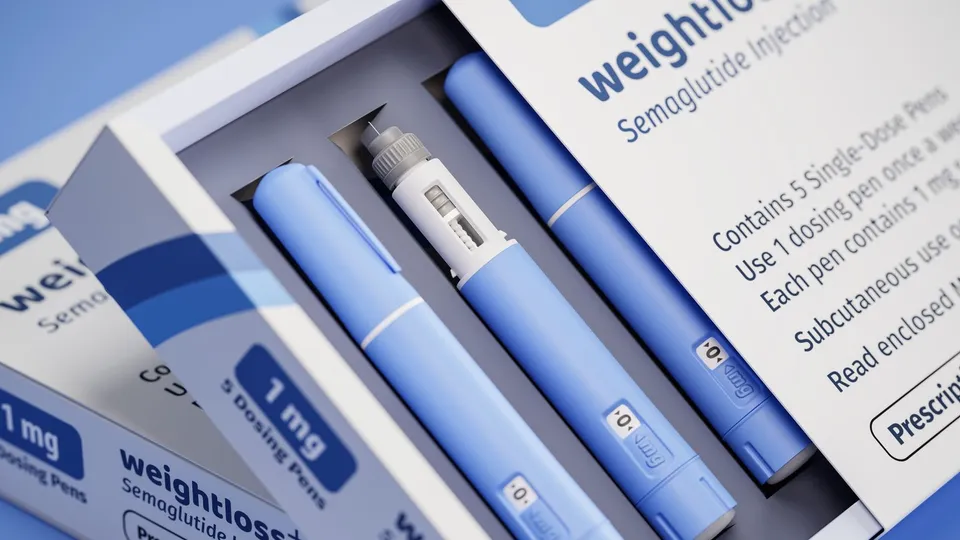
The World Anti-Doping Agency (WADA) is investigating the potential ban of weight loss injections for the 2028 Summer Olympics. The agency is closely monitoring Semaglutide, the active component in GLP-1 medications like Ozempic, for signs of athlete abuse.
Dr. Olivier Rabin, WADA's senior director of science and medicine, stated the agency is looking for patterns of misuse. The development of these drugs, which alter appetite, has introduced a new dynamic to performance enhancement and athlete health concerns.
WADA requires evidence that athletes are using these drugs to boost performance, risking their health, or violating the spirit of fair play. A decision on whether to add Semaglutide to the banned list could be made by the end of this year or in 2027, ahead of the Los Angeles Games.
Experts suggest endurance athletes could see significant benefits. The drugs induce a feeling of fullness, leading to reduced food intake, which can result in energy deficiencies and insufficient nutrient absorption for muscles. Welfare concerns also arise due to potential pressure on athletes to use these medications, particularly in environments where thinness is equated with speed and power.
Dr. Ian Beasley, former medical chief for England football teams, noted the difficulty in detecting such performance enhancements, especially during off-seasons. While exemptions may be considered for athletes with genuine medical needs, such as diabetics managing weight, authorities fear they are already behind athletes potentially using these drugs.