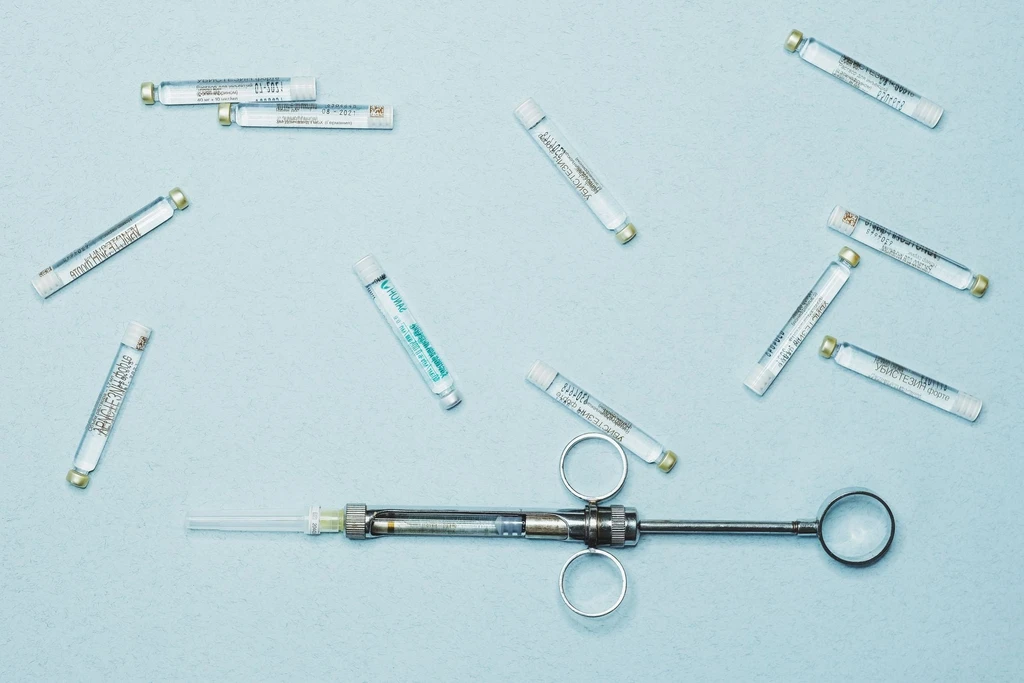
Ozempic, the injectable weight-loss and diabetes drug that transformed Novo Nordisk into a European powerhouse, costs roughly $969 for a month’s supply in the United States. The same pen, containing the same bioequivalent semaglutide, is available in Germany for about €59 through the statutory insurance system.
The molecule is identical, and the factory in Kalundborg, Denmark, is often the same. The vast price disparity stems from a story that begins in 1922, when a dying 14-year-old boy in Toronto was saved by a crude pancreatic extract. Frederick Banting and Charles Best’s discovery of insulin was later sold to the University of Toronto for a nominal fee because, as Banting insisted, the hormone belonged to the world. Watching from Copenhagen was Danish Nobel laureate August Krogh, whose wife was diabetic. He obtained a license and founded Nordisk Insulinlaboratorium, which eventually merged with a rival to form Novo Nordisk.
The company was structured as a non-profit foundation, a corporate form legally bound to reinvest surpluses into research. Today, the Novo Nordisk Foundation is one of the world’s largest philanthropic entities.
Semaglutide is a GLP-1 receptor agonist, a synthetic gut hormone that regulates insulin, glucose, and appetite. Originally a diabetes therapy, the drug demonstrated such significant weight loss and cardiovascular benefits that it became a blockbuster. By 2026, one in eight American adults had tried a GLP-1 medication.
Three main factors drive the price gap. First, peer nations use reference pricing-negotiating collective reimbursement rates based on therapeutic value, which Novo Nordisk accepts for market access. Second, the opaque US Pharmacy Benefit Manager system negotiates secret rebates on a high list price, but uninsured patients see the full sticker price at the counter. Finally, US consumers effectively subsidize global pharmaceutical research and development by paying unregulated prices while other wealthy nations pay negotiated rates.
Competition is intensifying. Eli Lilly’s tirzepatide, sold as Mounjaro and Zepbound, outperforms semaglutide in some trials. Even after Novo Nordisk began offering a direct-to-consumer US price of $499 per month for cash patients to defend its market share, the cost remains more than eight times higher than in Germany. The revenue that funds the foundation’s billions in Danish research grants comes disproportionately from American prescriptions. A century after Banting’s refusal to profit from insulin, an American paycheck still funds a global philanthropic loop.