In a story that begins with a desert reptile, roughly one in eight American adults now uses a GLP-1 receptor agonist like Ozempic or Mounjaro. The foundational science traces back to Dr. John Eng, a Bronx endocrinologist at the Veterans Affairs Medical Center who isolated a stable hormone from Gila monster venom in 1992. The lizard, which eats only a few times a year, evolved exendin-4 to make metabolism brutally efficient. The human gut hormone GLP-1 breaks down in two minutes; the reptile version lasts for hours.
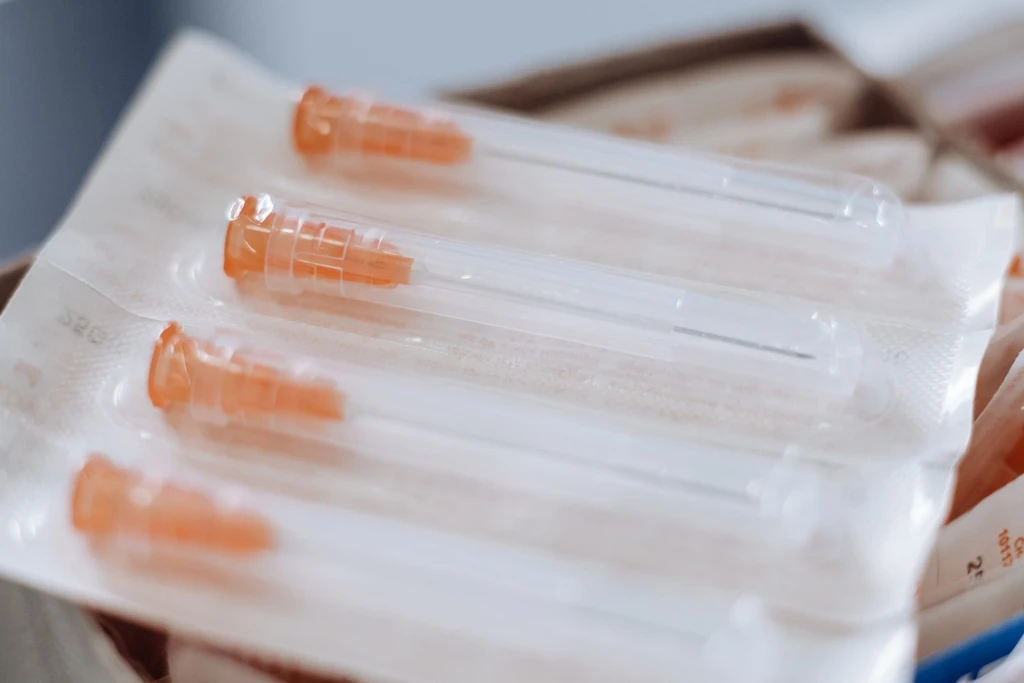
When his employer, the VA, declined to patent the discovery, Eng filed it himself and licensed the compound. The first commercial drug, exenatide, reached the market as Byetta in 2005. From that original molecule descended a pharmaceutical dynasty. Novo Nordisk’s semaglutide, sold as Ozempic and Wegovy, requires just a once-weekly injection and can produce body mass reductions of roughly 15 percent. Eli Lilly’s tirzepatide, branded Mounjaro and Zepbound, added a second hormone target to push average weight loss above 20 percent in trials.

The surge in usage was detonated by social media visibility, viral off-label demand, and the rise of direct-prescribing telehealth platforms. The landscape shifted further in July 2026 when the Centers for Medicare & Medicaid Services launched the Medicare GLP-1 Bridge pilot, offering certain Part D enrollees a flat $50 monthly copay for brand-name drugs.
This access expansion comes even as commercial employers pull back. Facing spiraling pharmacy budgets, a growing number of companies are restricting weight-loss coverage to diabetes indications, or not at all.
Beyond insulin stimulation, the drugs slow gastric emptying and dampen brain reward signals behind so-called “food noise.” The population-level effects are becoming visible, with retailers tracking shifting grocery baskets and bariatric surgery volumes declining for the first time in decades. The molecule a government once deemed worthless now anchors a category generating tens of billions in annual revenue.