PLoS One
-
 health
Global Hum Phenomenon Linked to Low-Frequency Tinnitus in New Study
Researchers at the German Center for Vertigo and Balance Disorders suggest the mysterious global Hum may be low-frequency tinnitus rather than external noise.
-
 health
Vitamin C Linked to Healthier Brain Structure in Aging Adults
New research from Japan shows higher blood levels of vitamin C correlate with greater brain tissue volume and stronger neural connections in older adults, though causality is unproven.
-
 health
Vitamin C Linked to Gray Matter Volume and Default Mode Network Connectivity
New research finds a direct correlation between vitamin C blood levels, gray matter volume, and connectivity in the brain’s default mode network among older adults.
-
 health
Deep Brain Stimulation Offers OCD Relief, But Social Recovery Lags
New research shows deep brain stimulation improves quality of life for treatment-refractory OCD patients, yet social and independence challenges persist post-surgery.
-
 world
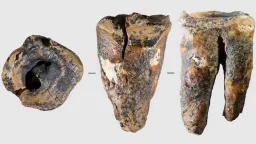
worldNeanderthals Practiced Dentistry 60,000 Years Ago in Siberia
New study reveals Neanderthals drilled a rotten tooth 60,000 years ago, the oldest known dental procedure, reshaping human healthcare history.
-
 health
10 Minutes of Floor Exercises Daily May Boost Balance and Agility, Study Shows
A new study finds that a 10-minute daily routine performed lying on the back can improve balance, flexibility, and coordination without building strength.
-
 health
Respect Is Earned Through Quiet Disagreement, Not Volume
True influence comes not from dominating conversations, but from disagreeing respectfully-making others feel heard, not stupid. Research reveals how psychological safety drives innovation and trust.