A University of Kentucky-led project has achieved a major breakthrough in deciphering ancient Roman scrolls buried by Mount Vesuvius in 79 A.D.
Using a particle accelerator and artificial intelligence, researchers have virtually unwrapped an entire scroll and recovered more than 70 columns of text from another. This effort, part of the Vesuvius Challenge, has identified two new books from ancient Rome.
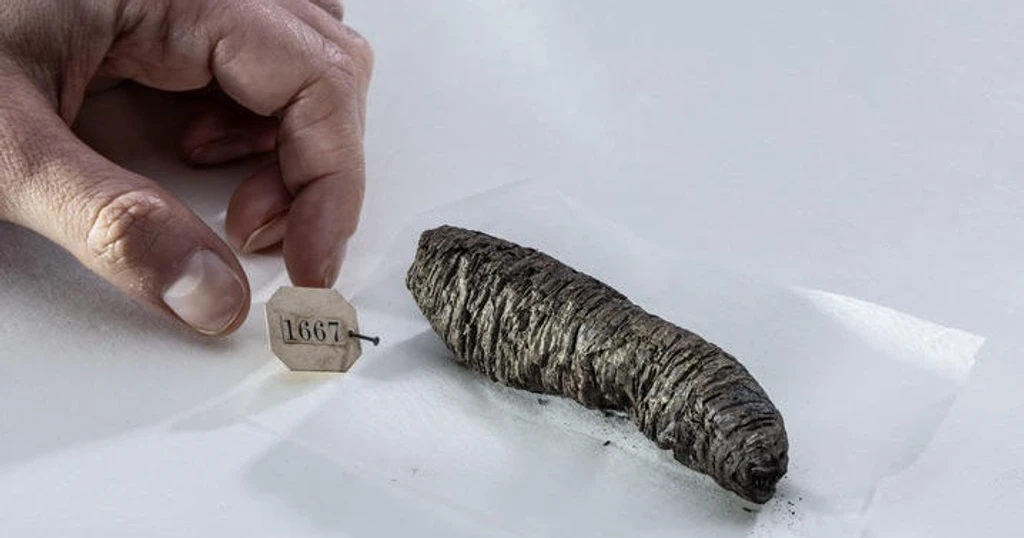
An unrolled Herculaneum scroll. National Library of Naples
The 1,800 papyrus scrolls were found in an intact library during an 18th-century dig in Herculaneum. They were too brittle to touch, turning to ash if unraveled.
"For nearly two millennia, many of these texts have been physically preserved but intellectually inaccessible," said researcher Brent Seales.
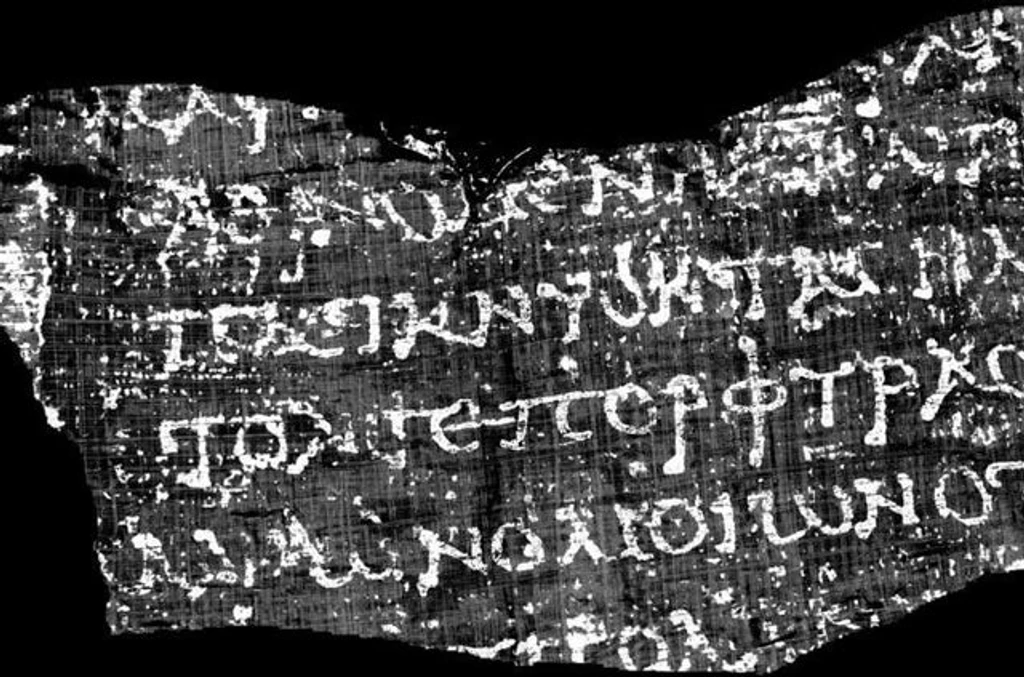
A virtually unwrapped piece of one scroll shows ancient Greek text. Vesuvius Challenge
One scroll, PHerc. 1667, revealed that the philosopher Philodemus wrote an eight-book series, though only one was previously known. The recovered text allows scholars to read the scrolls as complete arguments.
More than 600 scrolls remain unread. The project now requires experts who can read, edit, and understand the ancient language.