
Sleep problems may serve as an early indicator for Alzheimer's disease, preceding more recognizable symptoms. New research from the University of Kentucky suggests this link is due to the toxic buildup of tau protein in the brain.
These tau tangles are known to damage brain cells and disrupt neural communication. However, the latest study indicates tau can also "hijack" the brain's energy supply, leading to overexcited neurons and difficulty falling asleep.
Using mouse models, researchers found that abnormal tau buildup alters how the brain uses sugar for energy. Instead of normal energy production, the brain generates excess glutamate, a neurotransmitter that stimulates neurons. While essential for learning and memory, too much glutamate keeps the brain on high alert, hindering sleep.
"The brain is hijacking all your glucose to make glutamate over and over again, keeping the system awake and preventing it from reaching the deep, restorative stages of sleep," stated principal investigator Shannon Macauley, a physiologist at the University of Kentucky.
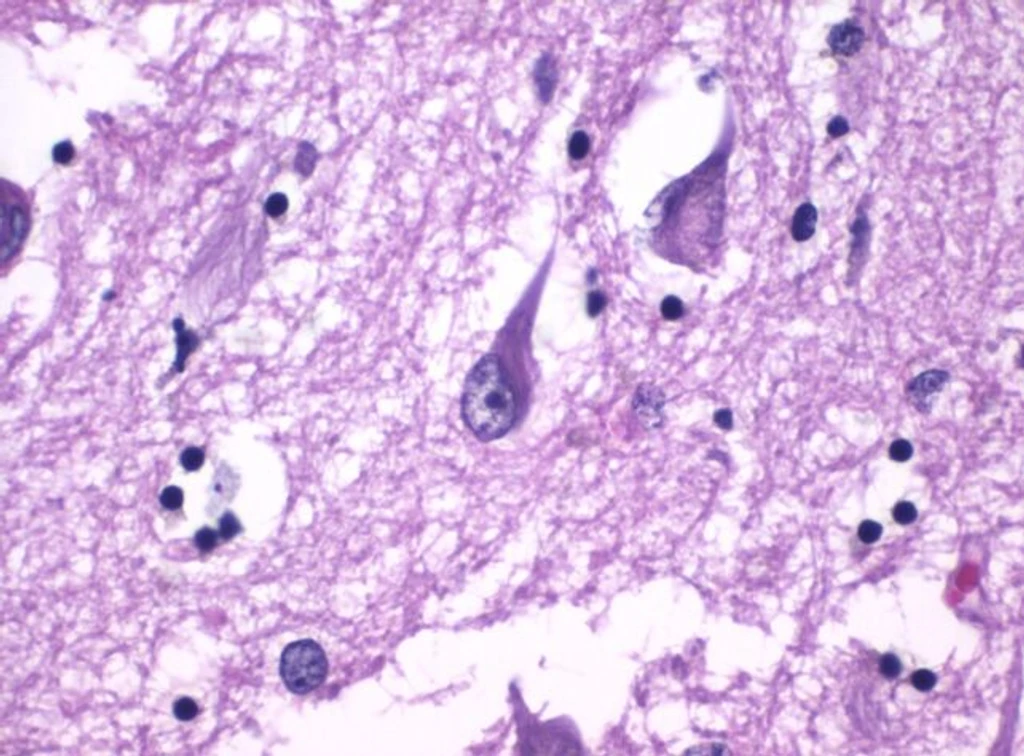
This energy hijack was observed in the early stages of tau malfunction, even before significant clumping occurred, potentially explaining why sleep disturbances can precede Alzheimer's by years. The study focused on mouse brains.
Researchers propose that existing medications used for epilepsy or type 2 diabetes, which modify brain metabolism, could potentially reduce this hyperactivity and improve sleep. Better sleep, in turn, may slow disease progression.
"What's really exciting is that it seems some of these phenotypes are reversible," Macauley added. "That means you don't have to grow back neurons or get rid of all the plaques and tangles in your brain to rescue sleep."
The findings highlight the complex nature of Alzheimer's and suggest that effective treatments may need to address multiple disrupted processes. Experts emphasize the importance of modifying lifestyle factors like sleep to reduce vulnerability to the disease.