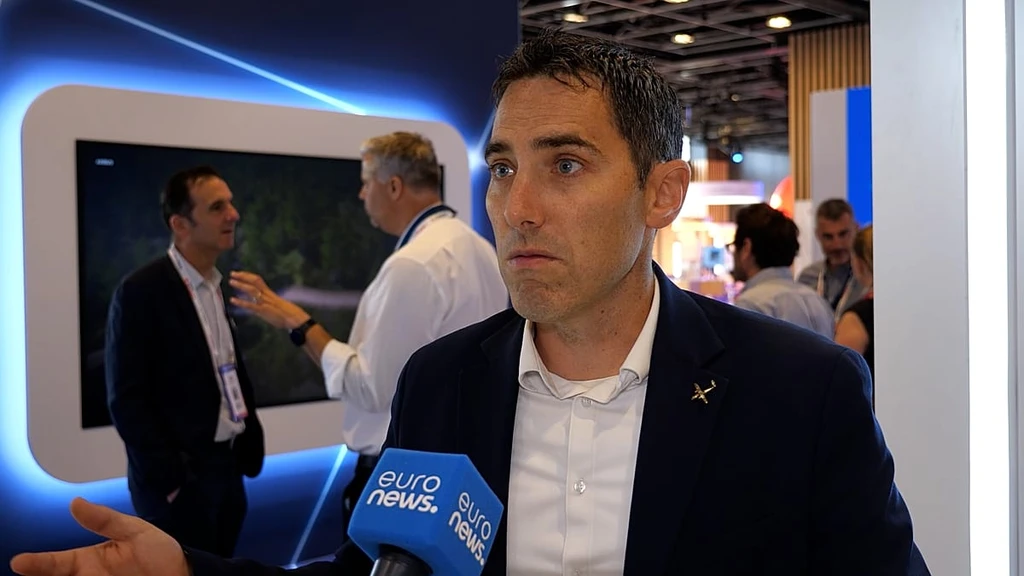
Airbus is deploying advanced automation to address a critical aviation challenge: global flight volume is projected to double within two decades while airport infrastructure remains static. To manage denser airspace and climate-driven weather volatility, the manufacturer launched the Optimate demonstrator project at VivaTech in Paris.
Optimate integrates artificial intelligence, quantum sensing, and data fusion to secure flight routes and assist pilots during low-visibility conditions. The system utilizes LiDAR, computer vision, and radar to identify obstacles and distinguish familiar objects from hazards in real-time.
Ground operations represent a primary efficiency target. Aircraft currently average over 20 minutes taxiing per flight. Airbus is testing smart routing and data sharing between airlines and air traffic control to reduce fuel burn and emissions. These protocols allow engines to start later based on precise traffic flow data.
Validation is underway using a truck-based demonstrator described as an aircraft on wheels. Engineers have completed more than 400 hours of testing at Paris Charles de Gaulle Airport to evaluate functions for integration into current and future fleets.
Geopolitical tensions have also accelerated the need for GPS-independent navigation. Optimate tests quantum sensors that measure acceleration with extreme precision, providing a robust backup to satellite signals. This sensor fusion approach ensures navigational integrity against jamming or spoofing while keeping human pilots as the ultimate decision-makers.