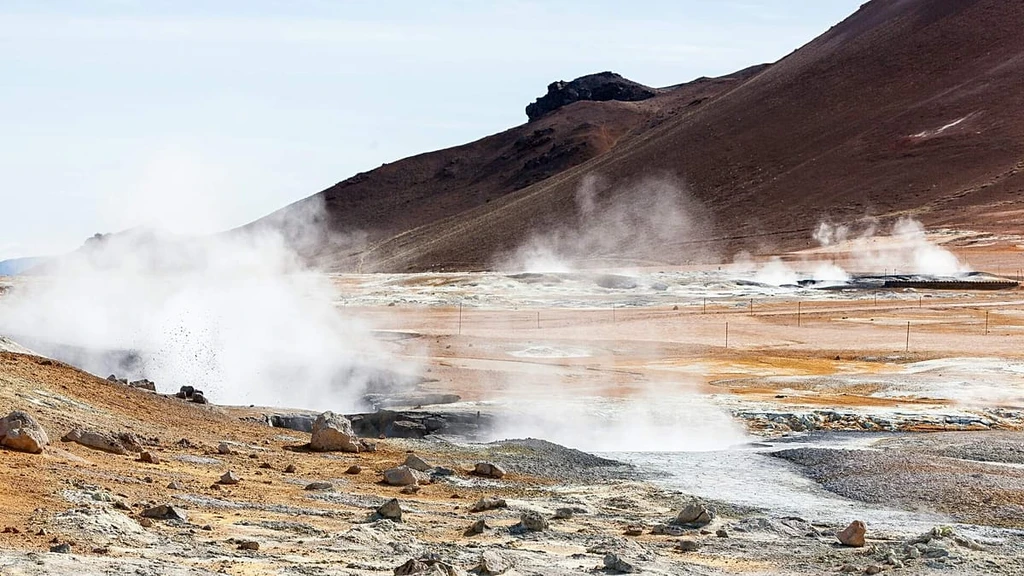
Deep beneath the Earth’s surface lies an immense energy source that could power a low-carbon future. Researchers and startups are now racing to unlock superhot geothermal energy.
The International Energy Agency recently highlighted the technology as a promising source of “clean, firm power.” Now, Quaise Energy plans to build the world’s first superhot geothermal plant in Oregon by 2030.
Conventional geothermal relies on naturally occurring hot water or steam. Superhot geothermal targets rocks above 300°C where water becomes supercritical, carrying far more energy. Tapping just one percent of these resources could provide eight times current global electricity generation.
The key challenge: drilling deep enough. Quaise plans to use conventional drilling for upper well sections, then switch to millimeter-wave technology from MIT to vaporize rock. Water pumped underground would return as steam to generate 50 megawatts of always-on renewable power.
Unlike solar and wind, geothermal runs continuously. It also has a small land footprint. But no commercial superhot plant operates yet. Environmental concerns exist, including induced seismicity - small earthquakes triggered by drilling. A 2017 quake in South Korea was linked to a geothermal site.
Advocates say potential is enormous: roughly 2 percent of geothermal energy 3-10 km beneath the US could meet 2,000 times current US demand.