Artificial intelligence is already profoundly reshaping working conditions globally. Experts convened by the International Labour Organization and the International Telecommunication Union are highlighting critical concerns. Sher Verick of the ILO stated, "The key issue is not whether AI will transform work; it already is." The focus must be on ensuring this transformation promotes "decent work and social justice."
UN Secretary-General António Guterres emphasized the "huge responsibility" of a new scientific panel to "shape the trajectory of artificial intelligence for the benefit of humanity."
AI systems now influence hiring decisions and access to services, making "trustworthy" AI and essential skills development paramount. Bilel Jamoussi of the ITU noted that while technical standards help, societal and governmental application of these technologies is decisive.
Behind the AI we use daily is an "invisible" workforce in the data supply chain, including content moderators and data labelers. Ben Richards of UNI Global Union reports these workers face "extreme pressure, constant monitoring, low wages and mental health harms."
Many companies rely on workers in the Global South for content moderation and data annotation. In India, tens of thousands, often women in rural areas, take remote work opportunities. However, they frequently review disturbing content, including graphic violence, and are bound by non-disclosure agreements.
Human rights advocates are alarmed by these conditions, where AI's expansion risks exacerbating existing problems. UNI Global Union is forming an alliance to promote safe-work protocols for these laborers.
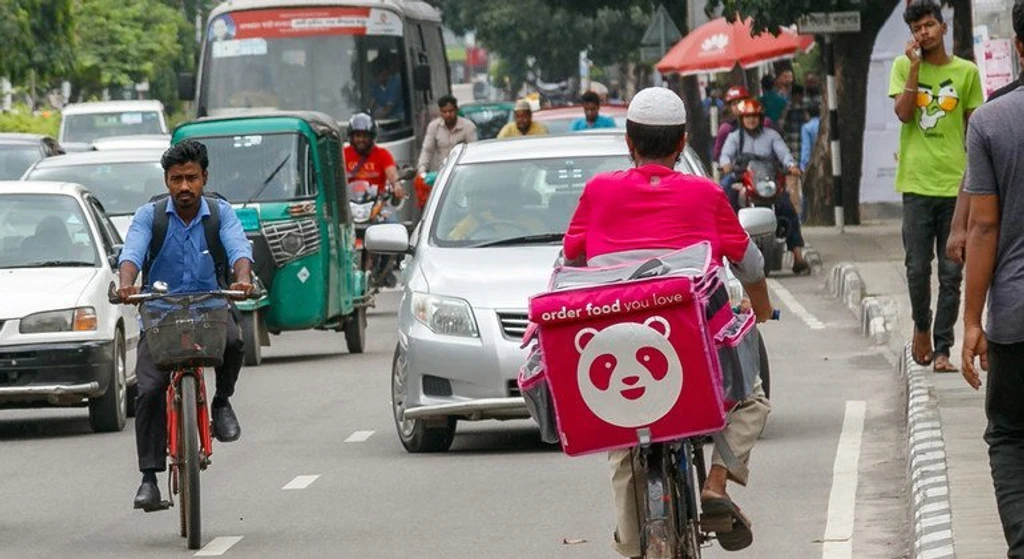
Algorithmic management, where software dictates pace and performance, intensifies stress and safety risks. In the UK, two-thirds of drivers and couriers experience anxiety due to algorithmic control. Trade union monitoring indicates fatal accidents linked to couriers "chasing impossible delivery targets set by algorithms."
Without safeguards, AI deployment risks deepening issues like work intensification, surveillance, biased decisions, and reduced human oversight in employment. The ILO and ITU are spearheading initiatives like the "AI for Good" platform and the "Global Coalition for Social Justice" to address these challenges. The ultimate goal is to ensure AI expands human potential, prioritizing governance grounded in human rights, equality, and sustainable development.