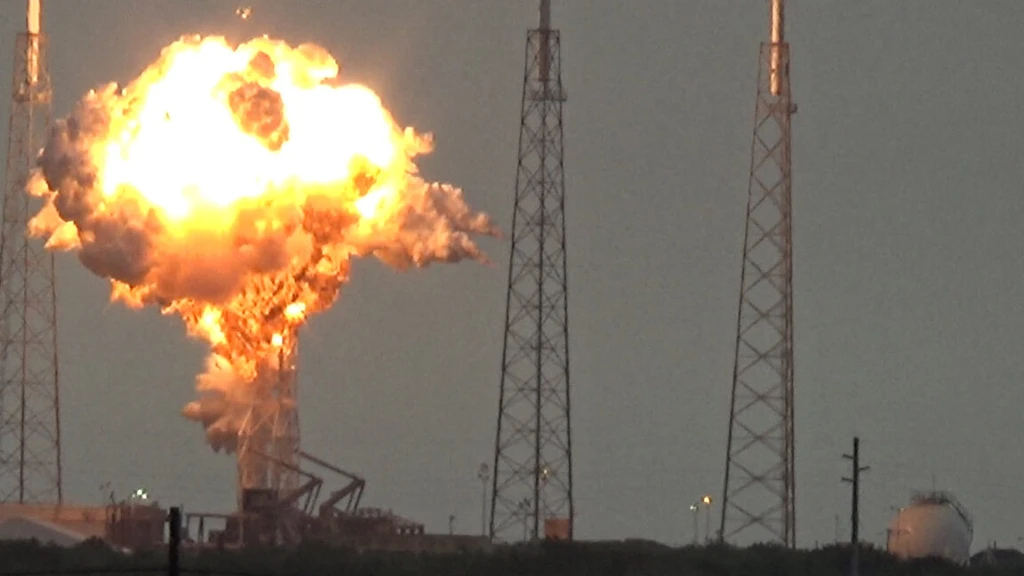
Nearly a decade after a Falcon 9 explosion destroyed SpaceX's SLC-40 launch pad, Blue Origin faces a similar crisis following the static fire failure of its New Glenn rocket on May 28. The parallels are striking: both rockets were crucial to NASA's plans, both explosions occurred during fueling tests, and both rendered their launch sites inoperable.
After the AMOS-6 incident in 2016, SpaceX rebuilt its pad in 15.5 months. The actual construction took 11 months. Hans Koenigsmann, lead investigator for that failure, urges Blue Origin to be fully transparent with NASA and the FAA and to examine physical evidence immediately. The Falcon 9 investigation focused on a pressure vessel anomaly; speculation for New Glenn centers on one of its seven BE-4 engines.
Trip Harriss, who managed Falcon 9 fleet operations in 2016, detailed the complexity of rebuilding a pad: debris searches, a massive flame trench, extensive electrical wiring, and bespoke plumbing. Finding and pulling wire, delicate welding, and manual tubing work are the most time-consuming elements.
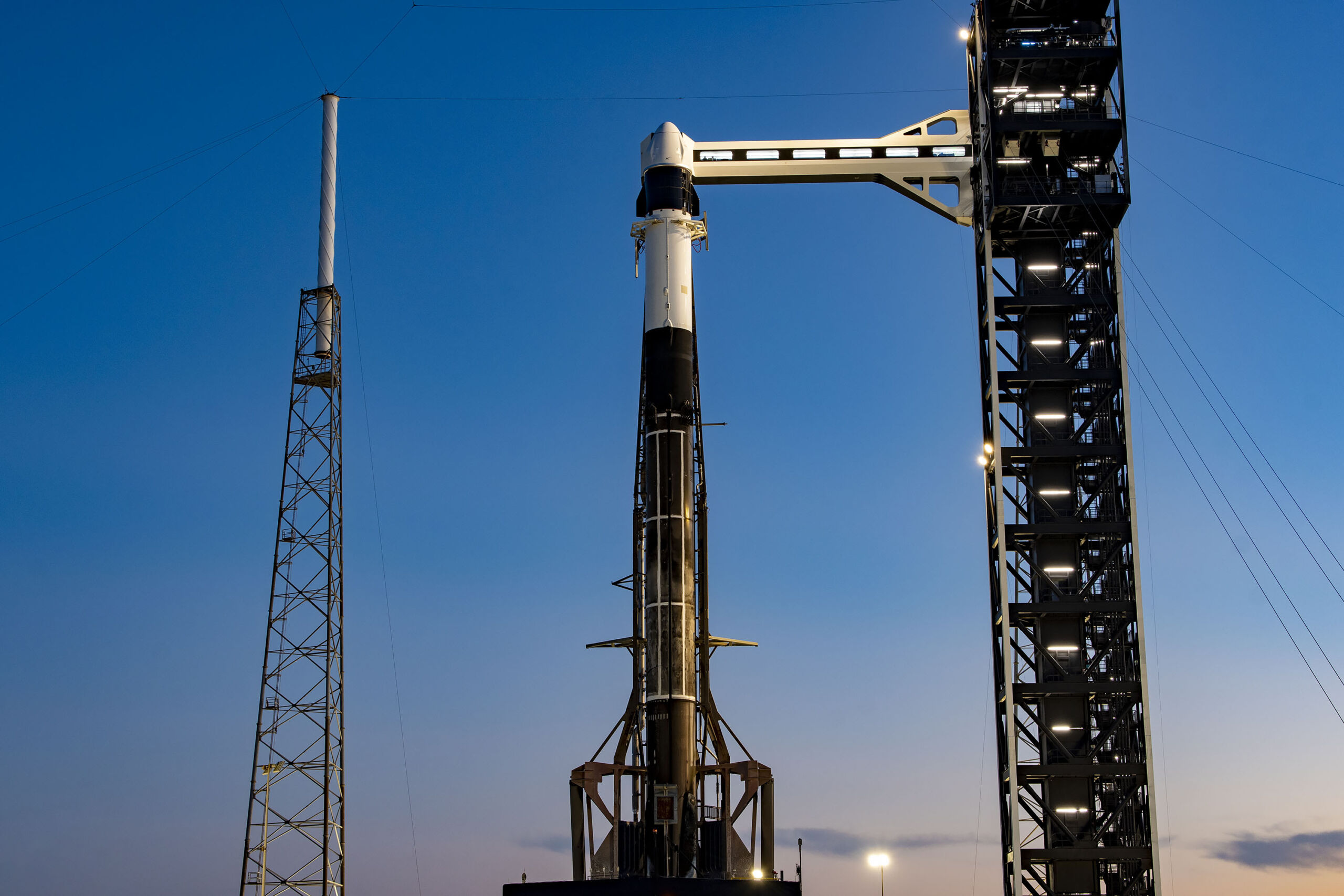
Blue Origin CEO Dave Limp stated Monday night that the company will launch from its damaged pad before the end of this year-less than seven months away. Former SpaceX employees contacted by Ars unanimously view this as unrealistic. Twelve months is the best case; 18 months is the most likely. Rebuilding the pad offers an opportunity for improvements, just as SpaceX optimized SLC-40 for a higher launch cadence, enabling two Falcon 9 launches within 45 hours. Blue Origin must now decide whether to rush a repair or invest in a superior pad for the long term.