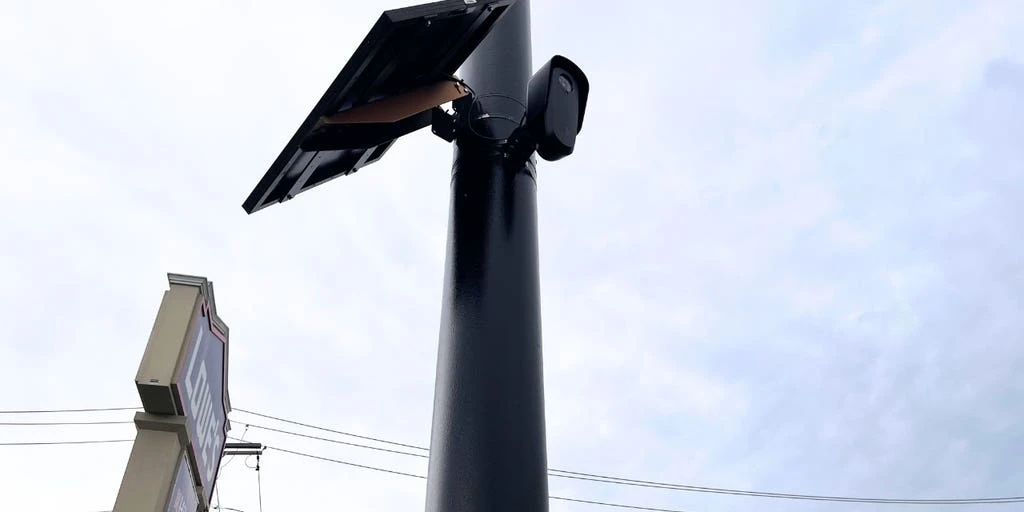
Shoppers at Home Depot and Lowe's in Connecticut may have their license plates scanned by cameras mounted in parking lots. These automated license plate readers, or ALPRs, capture plate numbers, time, and location.
Retailers say the systems prevent theft and protect safety. Police say the data helps solve crimes. But privacy advocates warn shoppers may not know their plates are being scanned or who can access that data.
A Flock Safety system captures vehicle characteristics without facial recognition. Home Depot told CyberGuy the cameras are solely for security and that it does not grant federal law enforcement access. Lowe's privacy policy says data may be used for security, theft prevention, and parking enforcement.
Police can access the data in some cases. Connecticut's new law restricts police use of ALPRs but does not directly regulate private retailers. This creates a gap: police cameras face public rules; private ones do not.
To protect privacy, shoppers should look for signs, read privacy policies, and ask how long data is kept. Flock Safety deletes data after 30 days by default, but retailers may set different policies.
The core issue is transparency: who can access the data, and under what rules, as the use of license plate readers expands.