The integration of quantum computing with classical high-performance computing (HPC) is now an operational necessity, moving beyond academic discussion.
The quantum computing market is projected for a $97 billion global opportunity by 2035. However, a significant engineering challenge persists: effectively linking quantum devices to exascale supercomputers for fast, reliable, and scientifically valuable results.
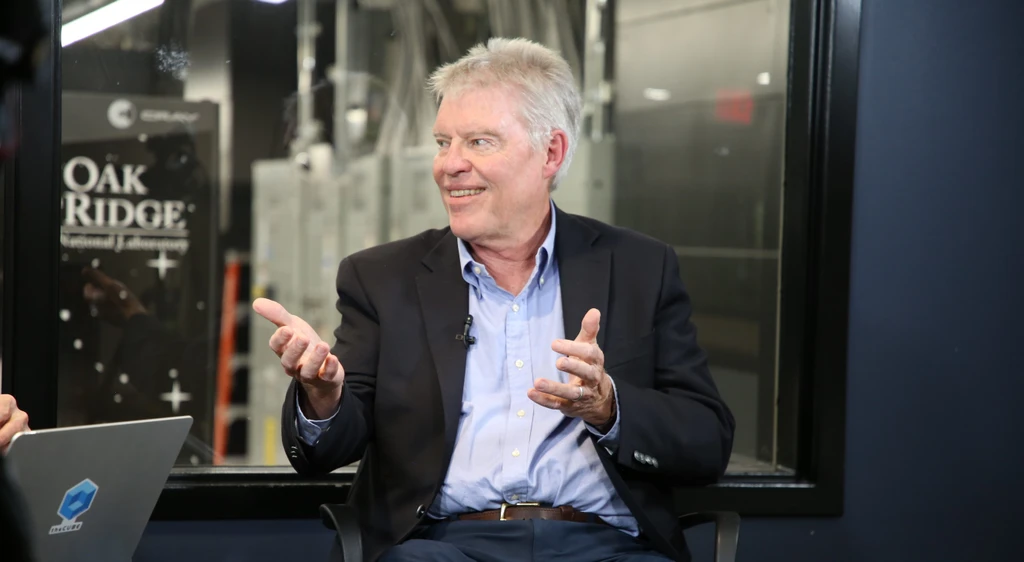
Tom Beck, section head at Oak Ridge National Laboratory (ORNL), highlighted this integration problem as central to their work. "Quantum is a rapidly-growing capability, the next frontier in high-performance computing, likely to accelerate specialized computational workloads," Beck stated.
ORNL, alongside Nvidia Corp. and Hewlett Packard Enterprise Co., is advancing quantum-HPC integration. The U.S. Department of Energy's Genesis Mission also prioritizes quantum-AI-HPC convergence.
The primary obstacle remains error correction. Quantum devices currently exhibit higher error rates than classical ones, requiring numerous physical qubits to form a single logical qubit. "That’s a big barrier," Beck noted.
Despite this, optimism is growing. The vendor ecosystem has matured, with progress seen across various qubit architectures. Artificial intelligence, specifically machine learning, is emerging as a potential solution, aiding in the design of more efficient quantum circuits and accelerating error correction.
Beck described the I/O challenge as accessing a "vast ocean of possibility through small pipes." This constraint shapes ORNL's focus towards scientific workloads that don't demand massive classical data inputs, such as nuclear fusion modeling and quantum chemistry.
ORNL is initiating a fusion energy project that will leverage AI, quantum, and HPC to solve complex problems, demonstrating a strategic application of these advanced technologies.