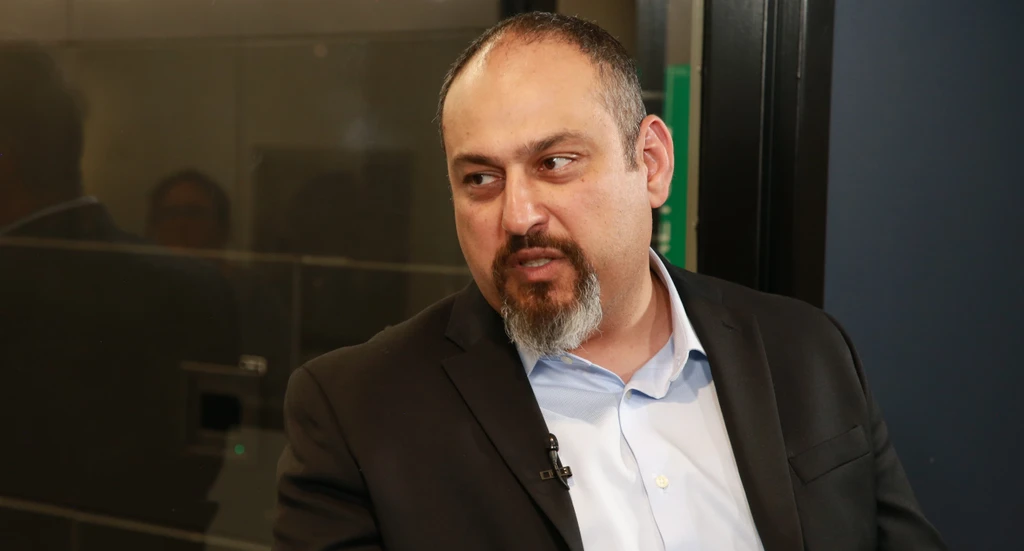
The race to develop the software infrastructure for quantum-high-performance computing (HPC) integration is intensifying. As the quantum technology market matures, with projected worldwide revenue of $97 billion by 2035, the primary challenge is not hardware development, but preparing the classical computing world for its absorption. Amir Shehata, an HPC systems engineer at Oak Ridge National Laboratory, stated the lab is designing middleware to bridge quantum processors and existing HPC systems. "We're preparing the software world to accept those technologies," Shehata told theCUBE, "When they are ready, you can just jump on and start using them."
The core challenge lies in reconciling different quantum hardware paradigms-superconducting, neutral atom, trapped ion-through a unified software layer, each with distinct timing and coupling requirements. To address this, Shehata launched OpenQSE (Open Quantum HPC Software Ecosystem), an initiative to develop common specifications for quantum-HPC integration software layers. The aim is interoperable interfaces, preventing provider lock-in and enabling modular innovation.
"The goal of this initiative is to try and figure out how we can standardize that software environment, such that we can make different software stacks interoperable," Shehata explained. "We’re trying to come up with specifications for the different software layers so that we can allow different people to go out and develop their own modules."
Looking ahead, error correction is identified as the key milestone for unlocking meaningful scientific applications. Without it, quantum circuits degrade into noise. Shehata emphasized that software readiness, algorithms, and integration must advance in parallel with hardware development. "Once you have error-corrected quantum computers, that’s when you start moving from toy problems into significant scientific applications," he said. "You can’t really do it in sequence. You can’t focus on error correction only. You have to look at everything at the same time. That’s what we’re doing here at Oak Ridge."