China's commercial launch sector is showing robust growth, with iSpace securing a record $729 million for reusable rocket development. This funding will accelerate test flights of their Hyperbola-3 rocket, a medium-lift launcher with significant payload capacity. Meanwhile, LandSpace is targeting a second orbital launch and booster recovery attempt for its Zhuque-3 rocket in the second quarter of this year, aiming for a reuse test by year-end.

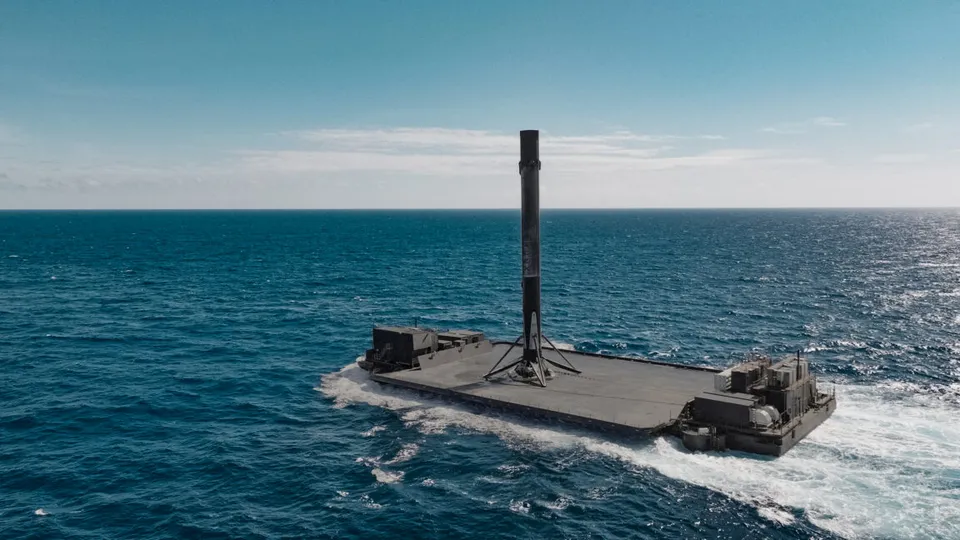
In the United States, SpaceX has resumed booster landings in the Bahamas. A Falcon 9 booster returned to a drone ship near The Exumas for the second time, facilitating launches into more diverse orbits from Cape Canaveral. This follows an agreement with the Bahamian government after environmental concerns were raised last year.
On the national front, NASA faces continued challenges with its Space Launch System (SLS) rocket. A second countdown rehearsal is underway at Kennedy Space Center to address hydrogen leaks that have delayed the Artemis II mission. The agency is working to resolve these fueling issues before the Artemis III mission, which aims to land humans on the Moon.
Several nations are also investing heavily in sovereign launch capabilities. Germany, Spain, the United Kingdom, Canada, and Australia are among those providing substantial government funding to commercial startups. Rocket Factory Augsburg (RFA) is progressing with its RFA One rocket, preparing for a hot fire test in Scotland. The United Arab Emirates has successfully launched its first domestically developed hybrid rocket, reaching an altitude of 3 kilometers and validating a fully UAE-designed propulsion system.
Florida's Space Coast is bracing for the arrival of mega-rockets like SpaceX's Starship and Blue Origin's New Glenn, with local officials exploring grants to mitigate potential infrastructure damage from vibrations and sonic booms.