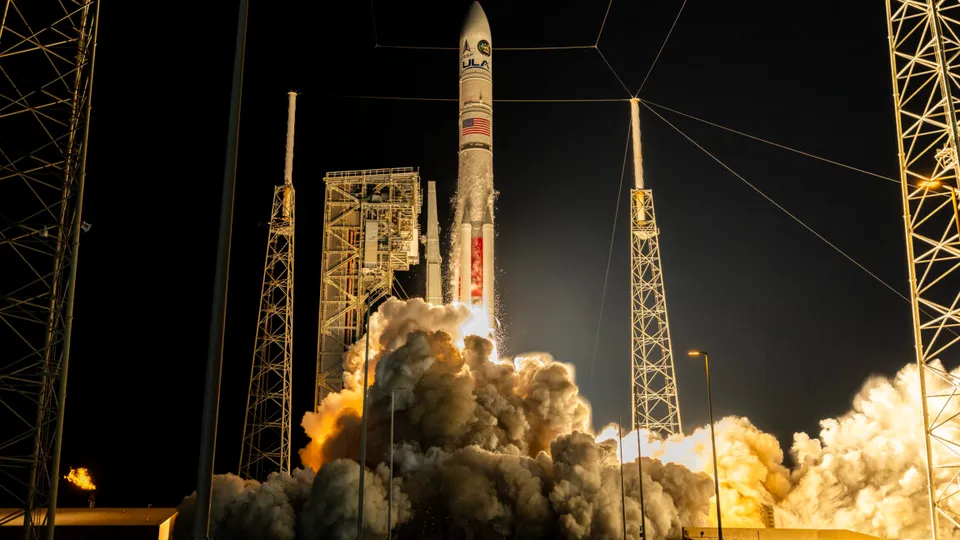
Atmospheric scientist Laura Revell's research indicates that rocket exhaust poses a serious threat to the ozone layer's recovery. Modeling suggests that up to 2,000 launches annually could lead to a 3 percent ozone loss, comparable to the impact of severe wildfires. This damage is primarily attributed to chlorine-based solid rocket fuels and black carbon emitted in rocket plumes.
The absorption of sunlight by black carbon could also warm the stratosphere by approximately half a degree Celsius, potentially altering wind patterns that influence storm and precipitation systems. Revell advises caution against widespread use of such fuel types.
Researchers also noted a doubling in human-made material injected into the upper atmosphere from re-entries over the past five years, with some metals now exceeding natural contributions from meteors. The expanding commercialization of near-space is increasingly impacting this environment, raising concerns that the costs are being shifted to others.
Experts warn that delays in addressing these atmospheric impacts could lead to irreversible consequences within the next decade.