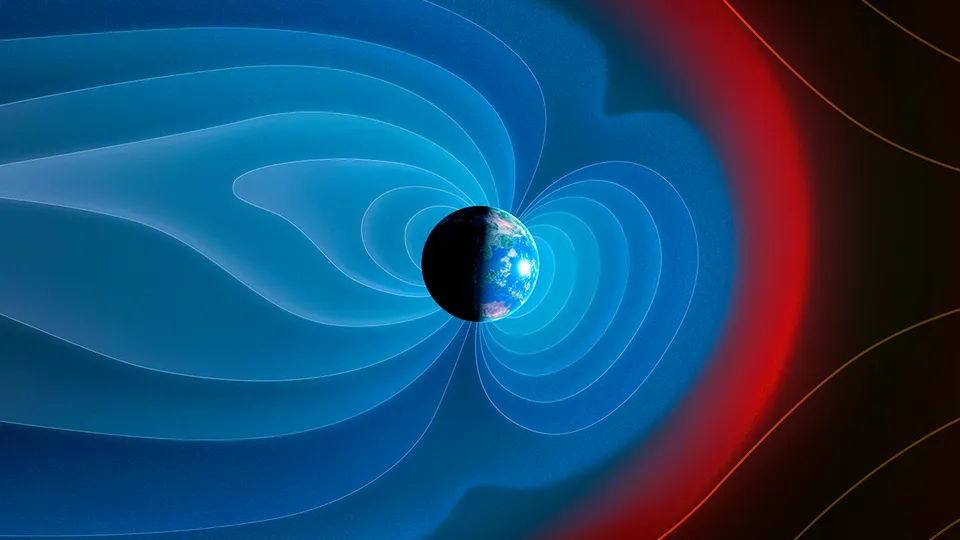
New findings indicate Earth's magnetic field experienced unusually prolonged reversals approximately 40 million years ago, challenging established timelines. While magnetic field flips are a regular geological event, one transition during this period lasted an estimated 18,000 years, and another extended for at least 70,000 years. This far exceeds the typical 10,000-year duration scientists previously considered the norm.
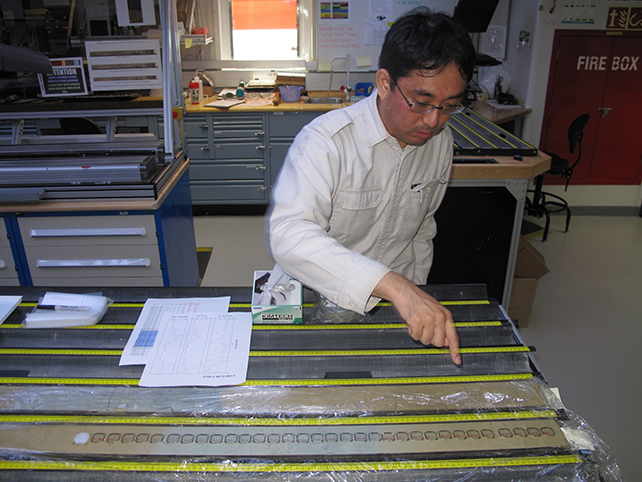
Researchers analyzed sediment cores from the North Atlantic, where magnetic signals locked in tiny crystals reveal historical field directions. Two extended reversals were identified, with computer modeling suggesting such events could potentially last up to 130,000 years. These reversals are driven by shifts within Earth's liquid iron and nickel outer core.
The extended flips were also marked by variability and multiple 'rebounds,' where the magnetic field appeared to hesitate in its directional shift. This chaotic behavior mirrors observations from Earth's most recent reversal, the Brunhes-Matuyama event around 775,000 years ago, which also took an extended period to complete.
The prolonged nature of these events raises concerns about future reversals. A weaker or unstable magnetic field offers less protection from space radiation, potentially leading to increased genetic mutations and atmospheric erosion over longer durations. Further research is needed to fully understand the precise effects on species and climate systems.