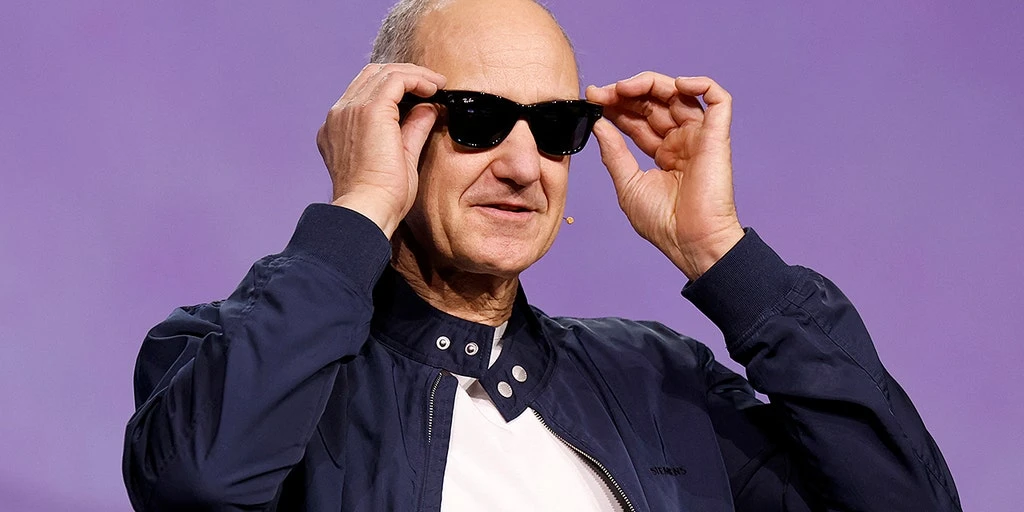
Smart glasses now look indistinguishable from regular eyewear-but many can record video or take photos without notice. As wearable cameras spread, privacy advocates warn of consent erosion in public spaces.
A new Android app called Nearby Glasses aims to counter this. It scans for Bluetooth signals tied to known smart glass manufacturers like Meta and Snap. If detected, it alerts users to potential nearby recording devices.
Developed by software engineer Yves Jeanrenaud, the tool emerged from rising reports of smart glasses used in sensitive settings-sometimes without subjects’ knowledge. Jeanrenaud calls it “technological resistance”: using code to push back against unchecked surveillance.
The app isn’t foolproof. False positives can occur if other Bluetooth devices from the same maker are nearby. It currently works only on Android, with an iOS version under consideration.

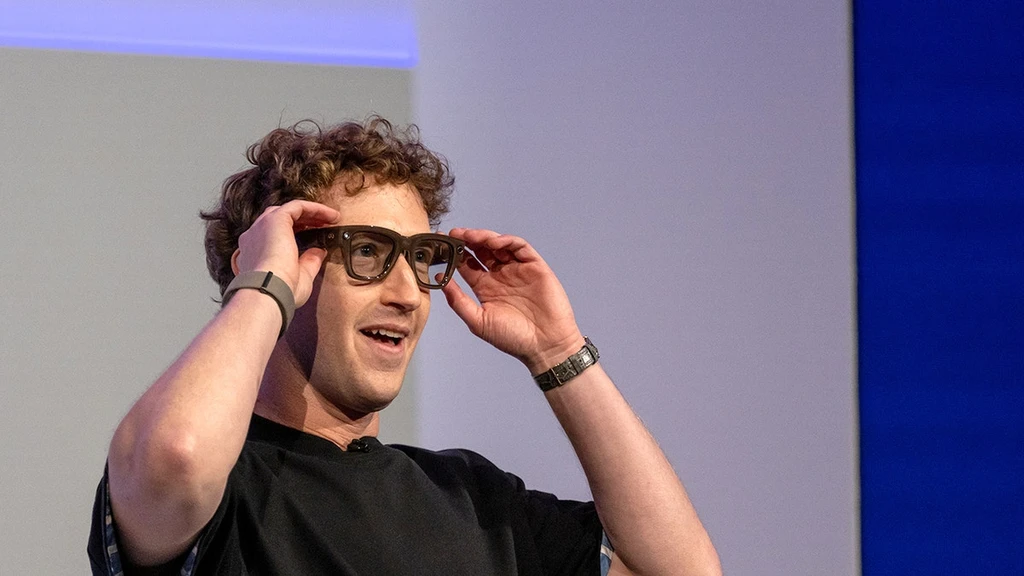
Meta CEO Mark Zuckerberg showcased the company’s latest Ray-Ban Display AI glasses at Meta Connect 2025 in Menlo Park, highlighting their integrated screen and AI capabilities-features that intensify privacy debates.
Experts advise supplementing detection tools with vigilance: watch for recording LEDs, avoid sensitive conversations in crowds, and speak up if uncomfortable. As smart glasses become mainstream, society faces a fundamental question: should covert recording require explicit disclosure?