Apps are increasingly bombarding users with 'desperation notifications,' pushing alerts for minimal engagement. Services like Disney+, Discord, Venmo, Reddit, Duet, and GrubHub are sending frequent, often irrelevant, prompts. This trend reflects an 'attention economy' where companies compete fiercely for user engagement.
A 2025 analysis by the Reuters Institute for the Study of Journalism highlights how news publishers rely on push notifications to bypass platform dependence, though many users actively disable these alerts. Operating systems like iOS and Android are also experimenting with AI summaries, potentially increasing notification annoyance.
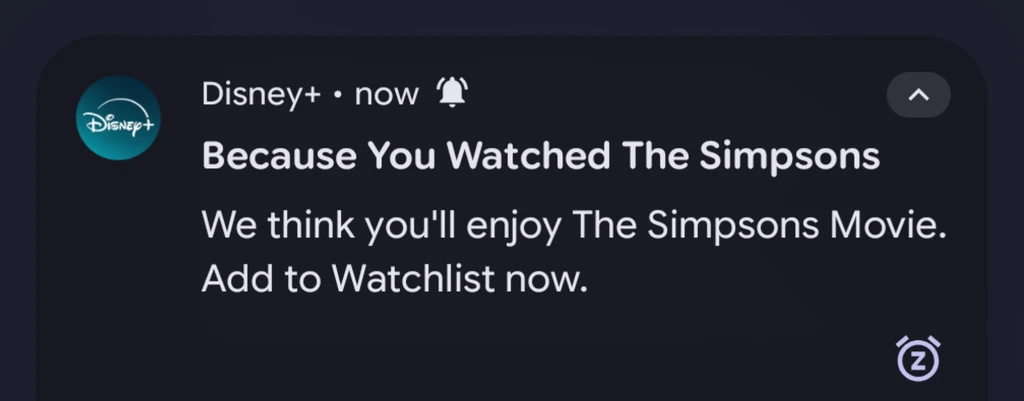
In this competitive landscape, notifications serve as a primary battleground for user attention. Companies are motivated to boost engagement numbers, even by small margins, as economic pressures mount.
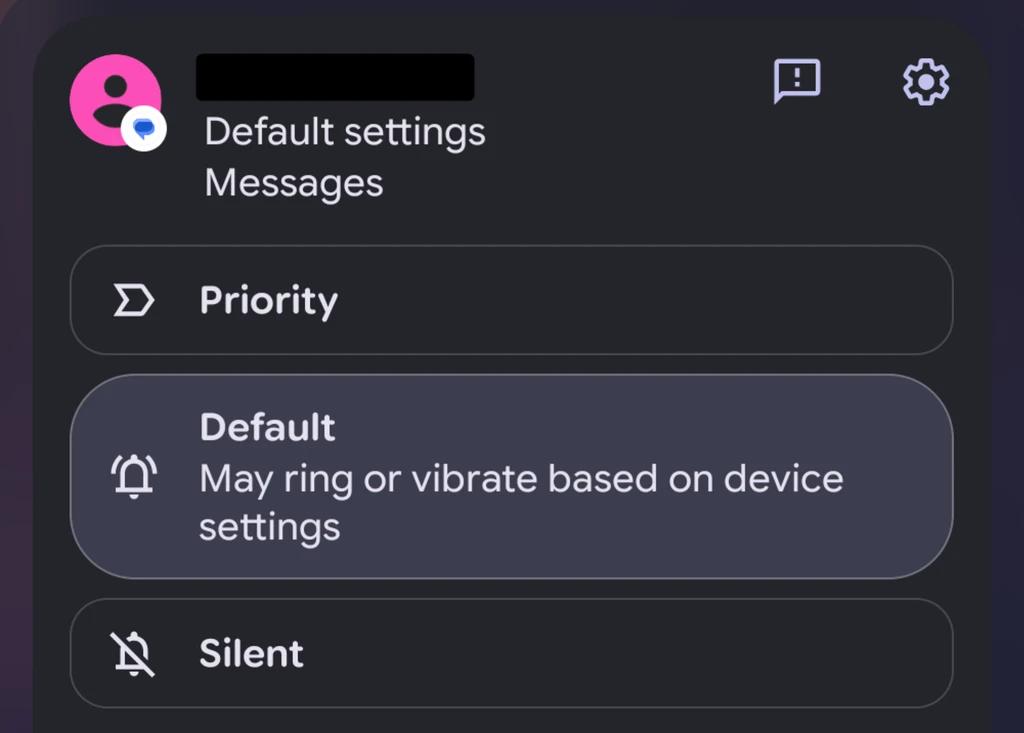
Users can manage this digital deluge through their phone's OS-level settings. Both Android and iOS offer robust tools to customize notification types and disruption levels. By long-pressing a notification on Android or swiping for options on iOS, users can tweak alert categories or mute them temporarily. Exploring individual app settings provides further granular control over specific notification types, though buried menus can be a challenge.
For Android users, third-party tools like BuzzKill offer advanced filtering by content or sender, providing more comprehensive control than built-in options. While iOS users are limited to native settings, actively managing alerts and providing feedback to app developers can signal when notification strategies have become too intrusive.