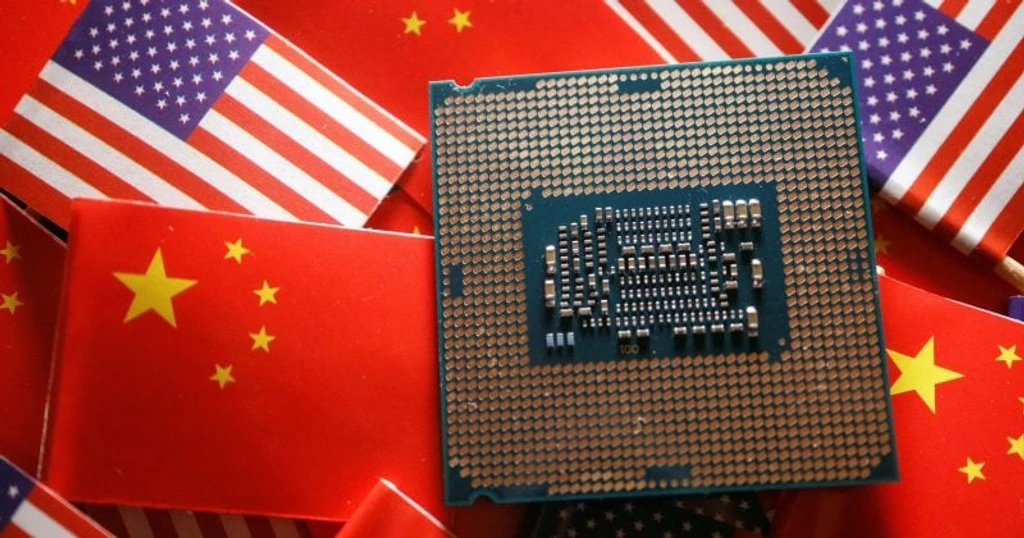
The U.S. government is escalating efforts to restrict sales of advanced AI chips from NVIDIA and AMD to Chinese-owned companies, even those operating abroad. This move tightens export controls that began in October 2022, aimed at limiting China's military use of AI technology.
In April 2025, the U.S. banned the export of chips like NVIDIA's H20 and AMD's MI308, which were designed to comply with earlier restrictions. By July 2025, Washington reversed course, allowing limited exports with a 15% revenue share to the government. However, in November 2025, the White House directed agencies to block sales of NVIDIA's latest scaled-down B30 series chips to Chinese firms. As of February 2026, sales of NVIDIA's H200 chips remain stalled under a national security review.
The ripple effects extend to decentralized compute networks like Akash, Render, and io.net, which rely on distributed GPU capacity. If Chinese entities are cut off from advanced hardware, demand for alternative compute sources could rise, benefiting decentralized marketplaces. Conversely, reduced global supply pushes GPU prices up, squeezing margins for miners and providers.
China is accelerating its push for semiconductor self-sufficiency, with Huawei's Ascend series as its primary domestic AI chip effort. These restrictions may paradoxically strengthen China's incentive to build an independent chip ecosystem.