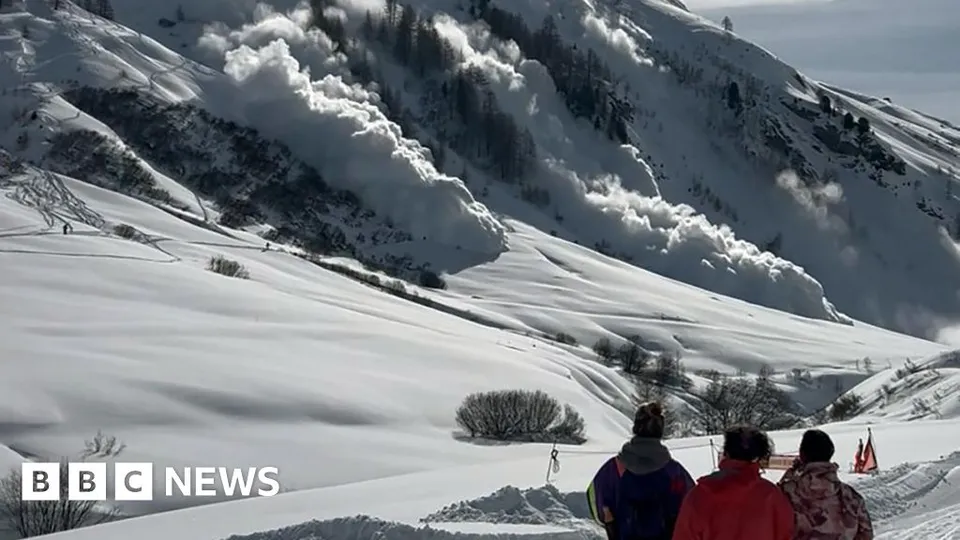
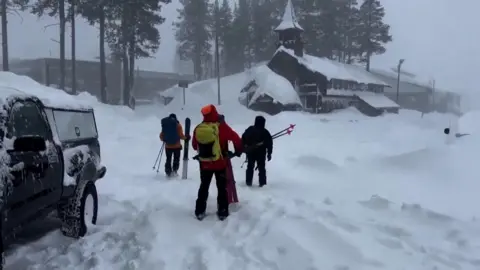
Avalanches have claimed over 90 lives this season, drawing heightened attention following a deadly incident in California and an unusually high fatality count in the Alps. California's situation, emerging from a snow drought, saw new snow fail to bind to older layers. Europe, however, experienced two major storms with heavy snow and high winds, leading to widespread high avalanche warnings. Some Alpine resorts are reporting conditions unseen this century.
While climate change is often blamed for extreme weather, experts suggest a complex interplay of factors. Sharper precipitation followed by dry spells, as observed in Europe, can destabilize snowpack. However, climatologists note that recent Alpine winters have defied typical climate change predictions. The primary challenge has been a weak snowpack with persistent weak layers, attributed to long periods without new snow and low temperatures. Rising temperatures also contribute to more frequent wet snow avalanches, which are harder to predict and potentially more dangerous. Survival rates may also decrease with wetter snow and thinner cover, increasing blunt trauma risks.
Resorts are implementing measures to mitigate risks, but off-piste skiing, now practiced by a significant portion of skiers, presents a major challenge. While marked pistes are often secured through blasting and compaction, off-piste areas offer no such guarantees. Resorts are advising skiers to check conditions, carry essential safety gear, and consider professional guides. Some resorts have even implemented lockdowns due to extreme threats. Experts emphasize the importance of consulting local knowledge and avalanche forecasts. While modern warning systems and safety measures have likely prevented worse outcomes, the dynamic nature of snowpack and changing weather patterns continue to pose significant risks.
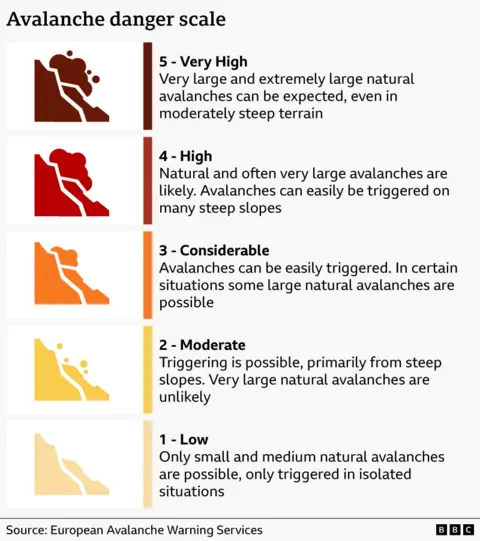
Though fatality numbers this season are high, they are not unprecedented compared to previous years. Meteorologists note that specific regions have experienced a rapid shift from below-average to significantly above-average snowfall, creating substantial avalanche risks. While improving weather is expected to allow snowpack stabilization, sunny slopes may still present dangers as they lose snow. The situation highlights the ongoing need for vigilance and preparedness in winter sports.