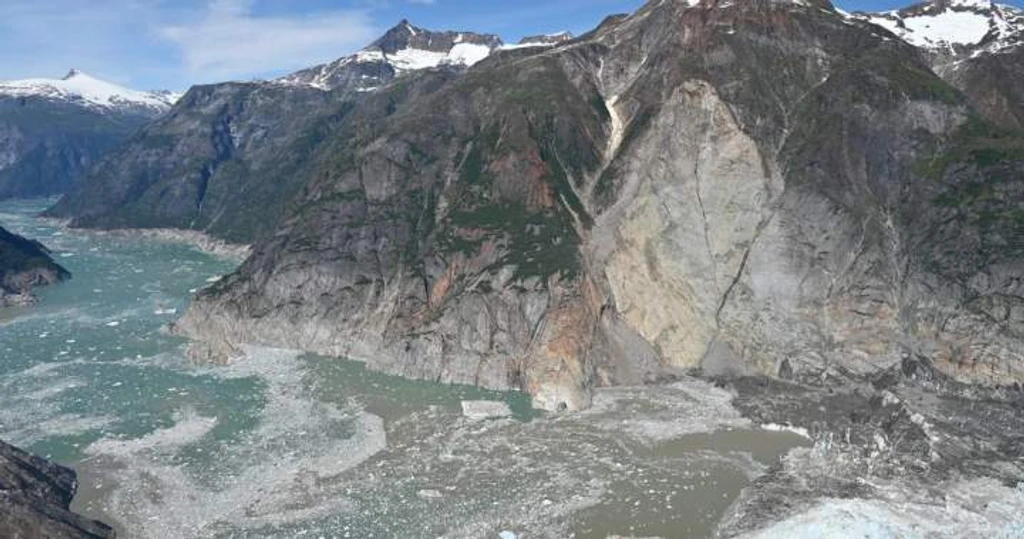
A massive landslide in Alaska's Tracy Arm Fjord last August generated a 481-meter tsunami-higher than the CN Tower's observation deck-according to a new study published in Science.
Dan Shugar, a University of Calgary professor and lead author, says this event underscores the catastrophic potential of such waves and the urgent need for policymakers, especially in British Columbia, to address the risk. The study blames the rapid retreat of the South Sawyer Glacier-which receded about 500 meters before the slide-for unclenching the rock face, triggering a torrent of over 64 million cubic meters of debris.
Had the glacier not retreated, the landslide might not have occurred at all. Warming, driven almost entirely by human activity over the past two centuries, is thinning and pulling back glaciers across the region.
The tsunami's run-up-the height the water reached on shore-was the second highest ever recorded. The fjord sees up to 20 cruise ships daily in summer. Fortunately, the one ship present that morning was out of the wave's path; had it been at the head of the fjord, Shugar says, it would have been "unsurvivable."
Shugar warns that as cruise tourism expands and discussions of new oil pipelines to the BC coast intensify, potential mega-tsunamis pose a growing threat. He advocates for detailed slope assessments and early-warning instrumentation, noting the Geological Survey of Canada is already studying fjord hazards but that a national policy framework is needed.
The research, involving scientists from Alaska, Denmark, Britain, and other institutions, was published Wednesday.