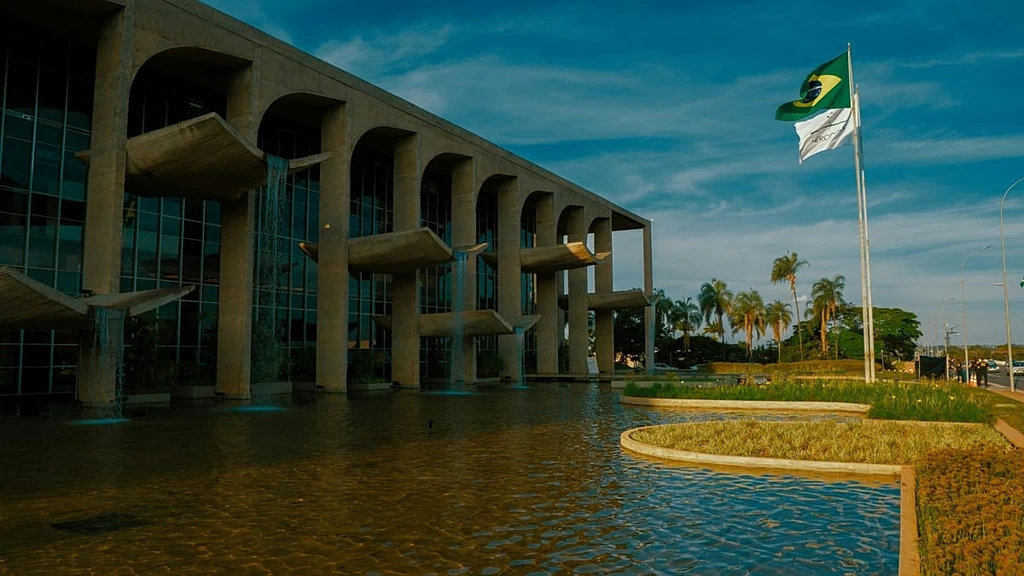
Some of the world’s most significant cities were built from scratch to serve as national capitals. These purpose-built metropolises reflect strategic planning, architectural ambition, and political foresight.
Brasília, Brazil, became the capital in 1960 after being designed to centralize governance away from the coastal hub of Rio de Janeiro. Known for its modernist layout, it was granted UNESCO World Heritage status in 1987.
Canberra, Australia, was chosen as a compromise between Sydney and Melbourne. Designed through a global competition, it now hosts major cultural institutions and half a million residents.
Wellington, New Zealand, became capital due to its geographic position near Cook Strait. Though not entirely new, its grid layout was established in 1840 and it remains the country’s cultural heart.
Islamabad, Pakistan, was built in the 1960s to replace Karachi, offering proximity to military headquarters. It now serves over 1.1 million people.
Naypyidaw, Myanmar, began construction in 2002 and took over as capital in 2005, designed for defense and administrative control. Despite its scale, it remains sparsely populated.
Belmopan, Belize, was created after a hurricane devastated Belize City in 1961. Officially inaugurated in 1970, it serves as the nation’s administrative center.
Ciudad de la Paz, Equatorial Guinea, officially replaced Malabo in January 2024. Built since 2015, it aims to be a sustainable, accessible capital-but currently resembles a ghost town.