Bahrain's state energy company, Bapco, declared force majeure on oil shipments Monday following an Iranian attack that set its sole refinery ablaze. This marks the latest instance of a Gulf state invoking the clause amidst Iran's escalating campaign against regional energy infrastructure.
The strike on Bahrain's Al-Ma'ameer oil facility caused significant material damage and a fire, though no casualties were reported. Videos circulated on social media showing thick smoke emanating from the industrial zone.
Bapco Energies cited "ongoing regional conflict in the Middle East and the recent attack on its refinery complex" in its force majeure notice. The legal provision absolves parties from liability when contractual obligations cannot be met due to uncontrollable events. The company affirmed its ability to meet domestic demand.
This incident follows damage reported at the 90-year-old refinery last week, despite recent modernizations that boosted capacity to 380,000 barrels per day and upgraded jet fuel and diesel production.
Bahrain is not the first Gulf nation to take this step. QatarEnergy previously declared force majeure after its liquefied natural gas facilities were struck, causing production halts. Kuwait has also invoked the clause on oil sales due to output cuts.
The energy shock coincides with other Iranian actions, including an attack on a residential area in Bahrain that injured 32 people and a separate drone attack damaging a desalination plant, raising regional concerns over water supply.
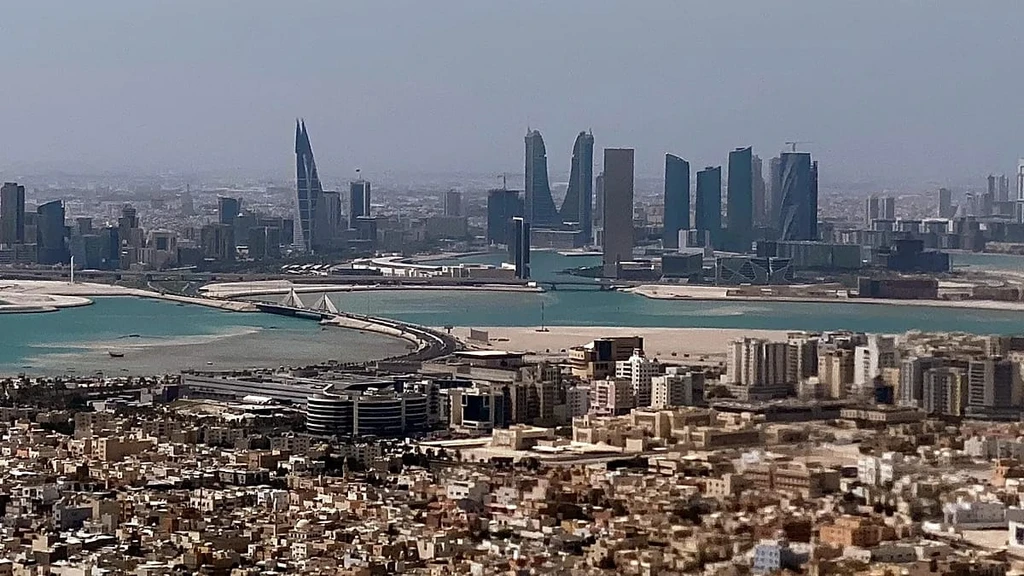
Bahrain, a densely populated archipelago and a strategically significant oil producer, has a population of approximately 1.6 million.
Brent crude prices surged above $114 a barrel on Monday, a roughly 60% increase since late February. President Trump commented on social media that short-term oil price spikes are expected to decline once the "Iran nuclear threat is over."