
Shanghai's People's Park hosts a unique "marriage market" where parents actively seek partners for their children, reflecting national anxieties about declining marriage and birth rates.
In 2025, China recorded 6.76 million marriages, a 10.8 percent increase from the previous year's record low. However, this rebound follows a decade of decline, with last year's figures still representing only half of those from 2015. Given the cultural link between marriage and childbearing, these statistics are critical for China's rapidly aging demographic landscape, especially as births also hit a record low of 7.92 million last year.
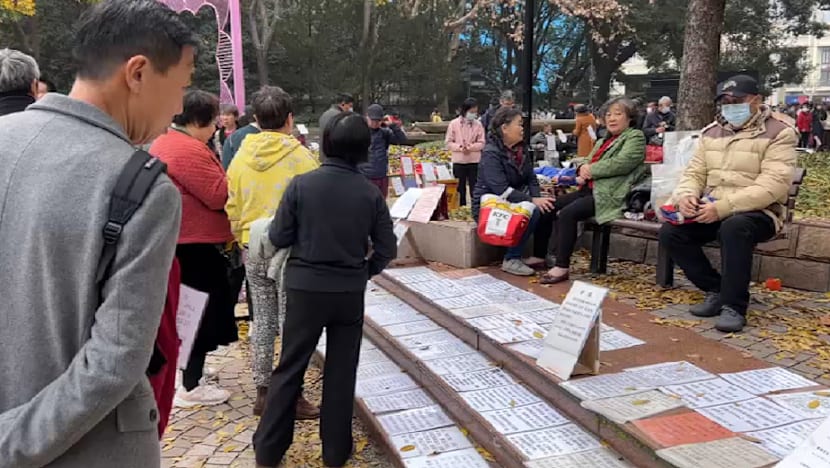
The "marriage market" at Shanghai’s People’s Park.
An elderly man, a regular at the park, observes that younger generations view marriage differently, influenced by the legacy of the one-child policy. He notes that unlike previous generations who valued sibling bonds, today's young adults are more independent, complicating the marriage landscape.
Authorities are introducing incentives, including nationwide marriage registration and provincial benefits like marriage leave and cash incentives. However, experts caution that it's too early to confirm a sustained rebound, suggesting potential influences like postponed marriages from COVID-19 or calendar-specific inauspicious years. Underlying societal pressures, including unemployment, long working hours, and the cost of living, continue to discourage marriage. Experts emphasize that significant societal shifts in employment, housing, and life expectations are necessary to alter marriage trends.