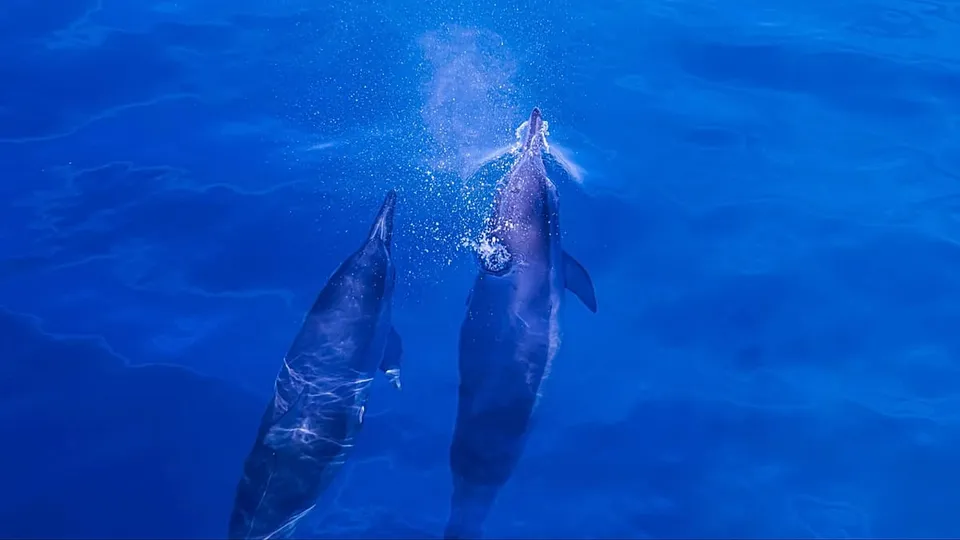
Potentially toxic chemicals from everyday electronic devices, known as liquid crystal monomers (LCMs), have been detected in marine life, prompting scientists to issue an urgent "wake-up call." These compounds, critical components of screens in laptops and televisions, are now found in indoor air, dust, and wastewater, eventually reaching coastal environments.
Researchers analyzed tissue samples from Indo-Pacific humpback dolphins and finless porpoises in the South China Sea. The study identified four LCM compounds, primarily originating from television and computer screens, with smaller contributions from smartphones, present in the animals' blubber, muscle, liver, kidney, and brain tissue. While contaminants were concentrated in blubber, small amounts were found in other organs, notably the brain, highlighting potential neurotoxic risks.
Lab tests showed that common LCMs altered gene activity related to DNA repair and cell division in cultured dolphin cells, suggesting a negative impact on marine mammals. Scientists are urging policymakers to implement urgent regulatory action and improve e-waste disposal to address this accumulating pollution in endangered marine life and protect ocean health.