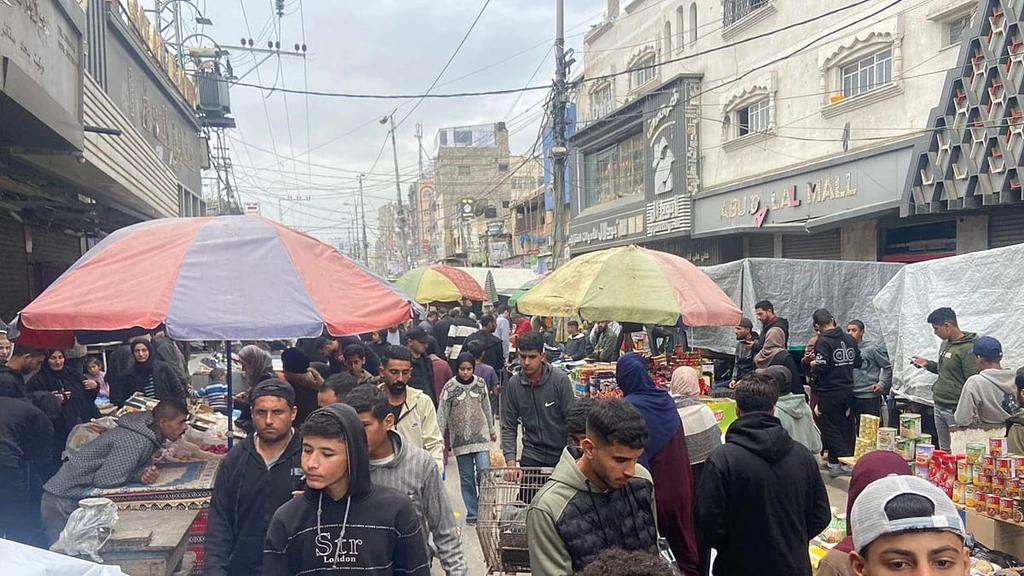
In Gaza, a crippling shortage of small-denomination Israeli shekels is paralyzing everyday transactions. Vendors refuse sales without exact change, forcing customers to accept unwanted goods like sweets or spices instead of cash refunds.
Residents report being unable to buy basic items-even with money-because no one can break large notes. Taxi drivers turn away passengers lacking exact fare, as rides between Khan Younis and Gaza City have tripled from 6 to 25 shekels since the Israel-Hamas war began.
The blue 200-shekel note-worth about €55-now dominates circulation, accounting for roughly 80% of cash value in Gaza, according to Bank of Israel data. Smaller or older notes are often rejected outright.
A parallel cash-exchange system called “takiesh” has emerged, charging commissions up to 40% to convert bank balances into physical currency. Economist Mohammed Barbakh estimates shekel liquidity in Gaza has dropped by more than 45% since October 2023.
The Palestinian Monetary Authority reports 1.2 billion shekels (€331 million) are missing from Gaza’s banking system. Most branches remain shuttered, and digital alternatives fail to reach those without phones or internet.
With over 80% of Gaza’s economic capacity destroyed, per UNDP estimates, the cash crunch is pushing commerce underground-and accelerating inflation.