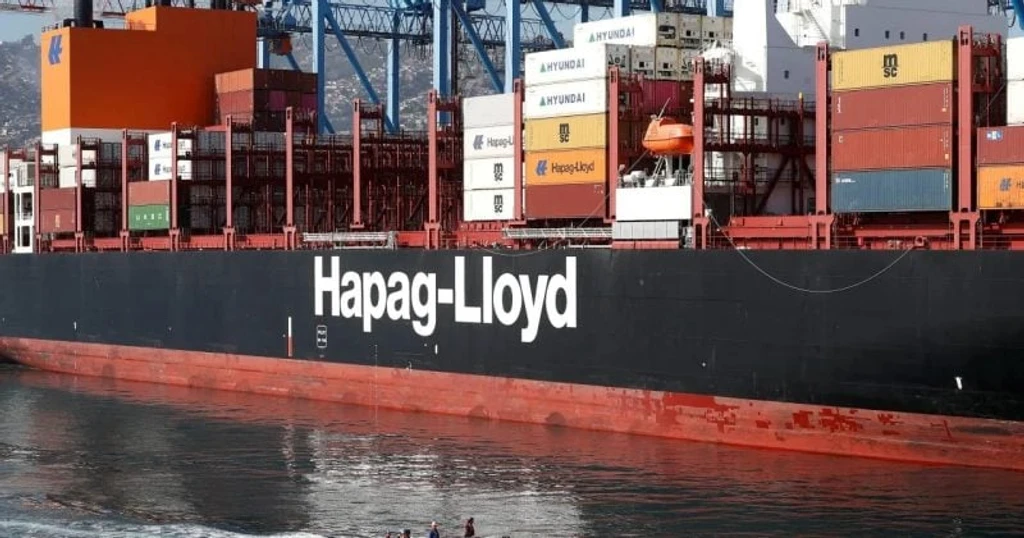
Two of the world's largest container shipping lines, Hapag-Lloyd and CMA CGM, have stopped accepting new cargo bookings to and from Cuba, a move that could choke off the majority of the island nation's import lifeline practically overnight.
The companies issued a STOP BOOKING notice to Cuban shipping agents on May 14, 2026, suspending all origins and destinations involving Cuba. The trigger: a US executive order signed on May 1 that dramatically expanded the scope of American sanctions against Cuba's economy, extending their reach well beyond US borders.
The order targets any foreign person dealing in core sectors of the Cuban economy, including energy and financial services, with potential secondary sanctions. It also designated GAESA, the Cuban military conglomerate, as a blocked entity on May 7. GAESA controls over 40% of the country's GDP and is deeply embedded in logistics infrastructure, from ports to warehouses to distribution networks.
Foreign firms have until June 5, 2026, to cease all transactions involving GAESA or face potential secondary sanctions. Hapag-Lloyd and CMA CGM together handle up to 60% of Cuba's shipping traffic by volume. Cuba imports the vast majority of its food, fuel, and consumer goods, much of it arriving from China and Europe.
Because GAESA is so deeply woven into Cuba's economic fabric, it's nearly impossible for a shipping company to guarantee that none of its port fees, warehousing charges, or handling costs end up flowing through a GAESA-connected entity. The safest play, from a legal standpoint, is to simply stop booking Cuba altogether. The June 5 deadline for GAESA-related transactions will be the next inflection point.